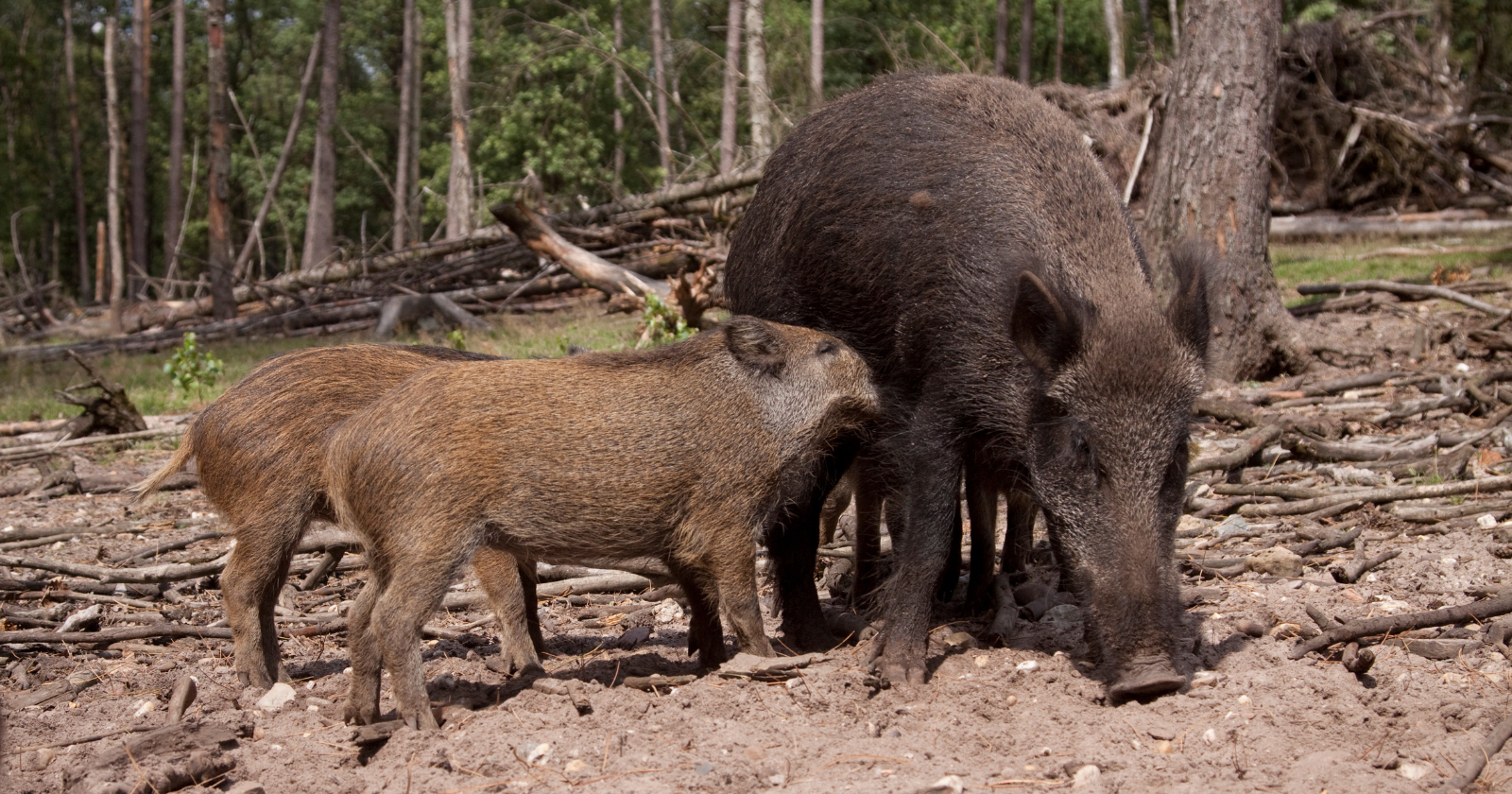
When the alarms cleared the towns surrounding the Fukushima Daiichi nuclear facility in March 2011, the evacuation directives pertained to humans. The pigs interpreted them in a different manner.
Throughout the exclusion zone, domestic pigs fled or were deserted as farms closed their doors overnight, and they ventured into a terrain abruptly devoid of humans — and increasingly populated by wild boars, which surged into the deserted towns from the nearby hills. The two species belong to the same variety, separated by ten millennia of selective breeding, and they behaved as members of the same species typically would.
What transpired next unfolded as one of the most unusual natural studies in genetics: a significant hybridization occurrence with a clear commencement date, devoid of continual human intrusion, and no new pigs arriving to confound the findings. Researchers have been analyzing the outcomes ever since — and the findings continually reveal something peculiar. The pig is fading from within the boar, and vanishing faster than anyone anticipated, for a reason no one predicted.
The inventory in the DNA
The initial comprehensive assessment originated from Donovan Anderson and his team, who gathered genetic samples from 243 creatures — boars, pigs, and everything in between — within 20 to 40 kilometers of the reactor, presenting their work in Proceedings of the Royal Society B.
The genetic markers of the pigs were clear: 16 percent of the sampled group were hybrids, with three-quarters of them concentrated in the inner exclusion zone where the farms had previously existed — the animals had not roamed far from the site of the fusion. Yet, the pig’s genetic contribution was already minimal: boars with pig heritage possessed only about 8 percent pig genes, and the domestic percentage diminished with each generation as hybrids mated back into the substantially larger boar community. (The same research provided a separate reassurance: the radiation in the zone revealed no measurable impact on the animals’ genetics. The boars are contaminated, not mutated.)
The trend resembled standard dilution — a hint of pig in a vast sea of boar. However, a follow-up investigation published this year by Shingo Kaneko’s group uncovered the catalyst concealed within the framework.
Mothers regulate the timeline
The hint was an incongruity. Analyzing mitochondrial DNA — inherited solely from mothers — against the rest of the genome, the researchers repeatedly encountered boars that carried pig maternal lineage but nearly no pig genes elsewhere. The pig ancestors were still traceable; their genetic influence had almost entirely dissipated.
The rationale aligns with the title of this narrative, and it is graceful. A wild boar sow breeds annually, following a seasonal rhythm. A domestic pig — shaped by ages of farming for productivity — cycles throughout the year, and that reproductive setting, as the study indicates, was passed down the maternal lineage intact. Hybrid sows descended from pig mothers maintained the farm tempo in the wild: more litters, more frequently.
This leads to a remarkable irony. Quicker reproduction results in more generations within the same years — and each generation constitutes another round of mating with wild boars, further reducing the pig percentage. As Discover noted, the very characteristic expected to safeguard pig genetics inadvertently accelerated their decline. The pig’s defining gift to its offspring — hurry — is the force that obliterates all else the pig provided them. The maternal surname endures in the mitochondria; the estate is depleted.
Why a pig paradox is significant
Fukushima’s situation was unique — an immediate, complete human exit — but the mechanism is not, and the authors assert this directly: it likely functions wherever feral pigs and wild boars interbreed, which means globally across Europe, Asia, and the wild-swine-infested United States.
This provides the discovery with tangible implications. Wild pig hybrids present a billion-dollar management dilemma, and the prevailing belief has been that domestic genes — more rapid reproduction, larger litters — accumulate in wild populations and enhance them. The Fukushima evidence complicates this understanding: the fast-breeding trait indeed transmits its tempo through the maternal lineage, potentially boosting populations, while simultaneously depleting the remainder of the domestic genome. Managers assessing pig genes to evaluate hybridization may be tracking the incorrect factor; the pig’s enduring legacy might be a schedule rather than a genome.
And there lies the subtler takeaway, one that this zone continues to unveil. The land surrounding Fukushima has transformed into the leading global laboratory for observing what occurs when humans depart hastily — and its consistent lesson is that the domesticated environment we created does not endure autonomously. The pigs achieved their freedom in 2011. Fifteen years later, they exist primarily as a rhythm — a farm-bred urgency, resonating in the lineage of wild boars that appear, and genetically nearly are, as if the farms had never been there.