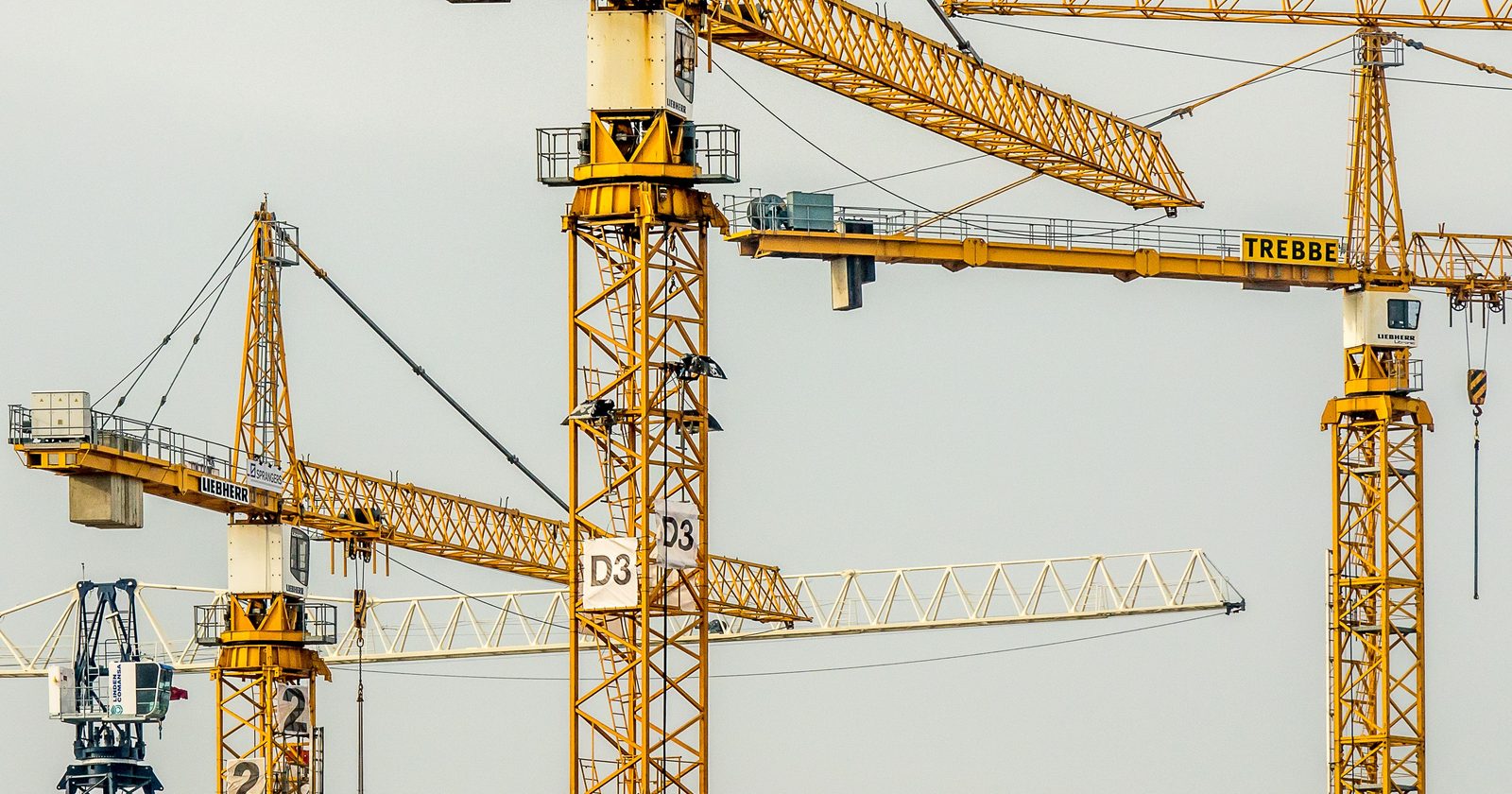
In July 2023, a significant incident involving a tower crane in Midtown Manhattan brought to light crucial safety deficiencies in construction practices. Situated at 550 10th Avenue, the arm of a Favelle Favco diesel-powered tower crane, measuring 165 feet, fell onto the street after a fire broke out on its platform. The fire, which ignited approximately 500 feet above ground while handling a 14,000-pound load, was linked to a ruptured hydraulic hose connection. This rupture sprayed flammable hydraulic oil mist onto heated surfaces, triggering a fire.
In spite of earlier alerts stemming from similar crane collapses in Sydney (2012) and Melbourne (2016), and a safety bulletin issued by the manufacturer, the problematic protocols were not applied to the crane in Manhattan. A thorough investigation by New York’s Department of Investigation along with the engineering firm Gilsanz Murray Steficek determined that crucial inspections were not performed, permitting the aged and possibly original hydraulic hose to fail and lead to the disaster.
New York City took decisive action by enforcing strict equipment standards for all diesel-powered tower cranes. The new regulations require enhanced fire detection and suppression systems to avert such incidents. These guidelines are designed to detect fires promptly and to fight fuel- and oil-induced fires efficiently. Furthermore, licensing requirements for small lifting equipment operators were tightened, demanding substantial experience.
Although the collapse resulted in relatively minor injuries, it highlights the critical necessity for improved safety standards, diligent equipment upkeep, and comprehensive inspection protocols in the construction industry, stressing that previous oversights can avert dangerous failures.