For the majority of the 20th century, the terrain adjacent to the Illinois River close to the Dixon Waterfowl Refuge in Putnam County was primarily utilized for cultivating corn and soybeans. This change commenced in 1908, when the Hennepin Drainage and Levee District drained the wetlands, transforming marshlands into agricultural land with the aid of pumps and levees. In 2000, the Wetlands Initiative, a conservation nonprofit based in Chicago, purchased roughly 2,760 acres of this farmland, eventually growing to over 3,000 acres. They halted the drainage pumps the subsequent year, permitting Hennepin and Hopper Lakes to naturally replenish.
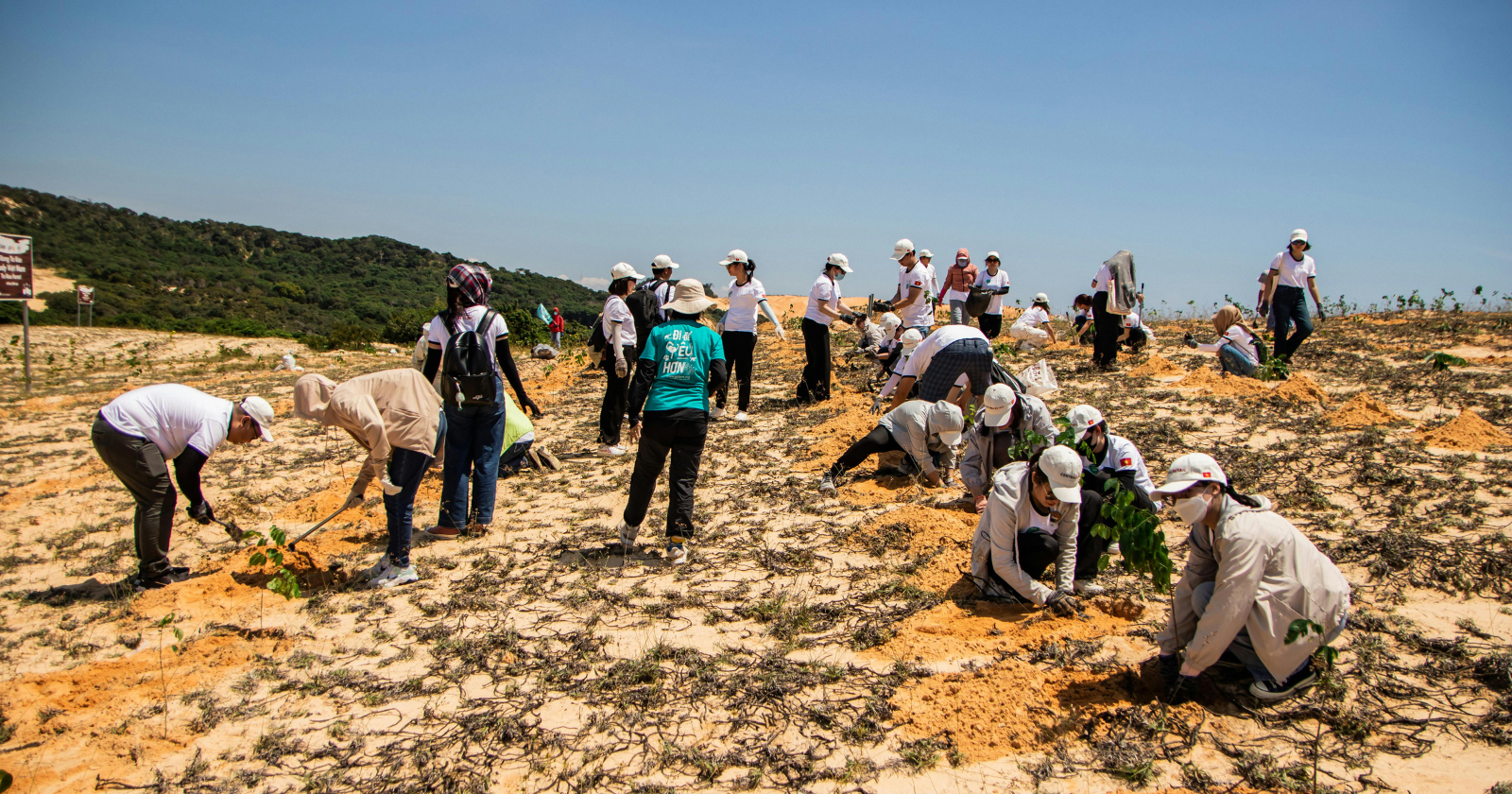
Restoring water levels proved to be the simpler task, but reviving the plant communities that once flourished demanded additional effort and relied on volunteer involvement. The refuge coordinates plug-planting volunteer days and native seed harvesting events, where volunteers physically gather seeds from robust prairie patches and sow them.
A study released in January 2025 in the journal Ecological Solutions and Evidence illustrates how Wetlands Initiative ecologists employed a strategic method to hand-planting. Ecologists William Sluis, Katie Kucera, and Gary Sullivan examined nine tallgrass prairie remnants to determine which species naturally cohabitated and planted 82 of the most prevalent remnant species across five plots, utilizing the “remnant reference ecosystem model.”
This varied planting approach, in contrast to standard mixes featuring about 30 species, required meticulous planning and multiple planting trials to guarantee success. After six years, individual plots retained approximately 84 percent of the planted species, with diversity nearly aligning with the nine remnant prairies surveyed.
The study recognized complexities in restoration, highlighting that clonal species proliferate rapidly, potentially overshadowing others. Nevertheless, the study serves as an example of employing a reference-ecosystem approach, although its restricted scope and specific site context suggest its conclusions may not be broadly applicable.
Restoration initiatives emphasize species richness, but a fully operational prairie ecosystem necessitates more time to cultivate components such as soil structure and interactions with insects and wildlife. For instance, Fermilab’s extensive prairie restoration demonstrates that soil reconstruction takes significantly longer than achieving species diversity.
With less than 0.01 percent of the original Illinois prairie still in existence, this work is vital. It heavily depends on volunteers to plant and sustain varied species populations. While the Dixon study suggests encouraging restoration results, it underscores the continual challenge of ensuring these plant communities evolve into completely functional prairie ecosystems. For Illinois, reclaiming any facet of its prairie heritage is meaningful, even on a minor scale.