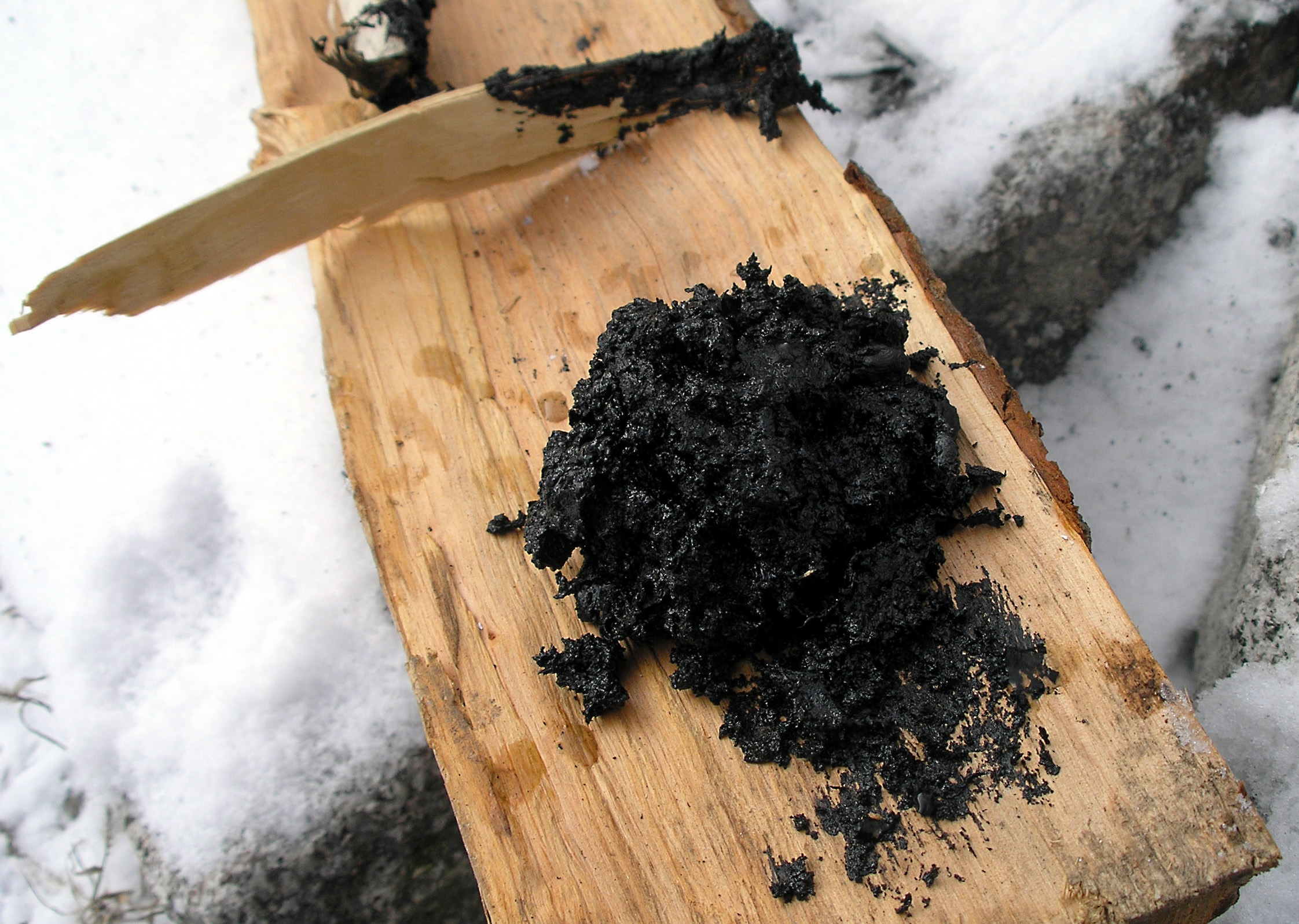
A fascinating finding occurred at the Syltholm site on Lolland, Denmark, when archaeologists excavated a chunk of birch pitch dated to approximately 5,700 years ago. This dark, adhesive material, commonly employed as an adhesive for Stone Age implements, transformed into an extraordinary DNA time capsule. A team of researchers led by Theis Jensen and Hannes Schroeder managed to reconstruct a complete human genome from the chewed birch pitch, yielding an unparalleled view into history.
Birch pitch, produced by heating bark in low-oxygen settings, is hydrophobic and antimicrobial, making it perfect for DNA preservation. It thwarted water penetration and bacterial breakdown, while the site’s waterlogged sediment further safeguarded its contents. The ancient DNA extracted from this pitch was well-preserved enough to provide details about the individual, nicknamed “Lola,” and her surroundings.
Lola was determined to be female, with genetic markers suggesting she was part of the western hunter-gatherers of Europe. Analysis indicated features such as dark skin, brown hair, blue eyes, and a lack of lactose digestion in adulthood. Her oral microbiome was also examined, revealing information about her health, including the detection of Epstein-Barr virus. Evidence of hazelnut and duck DNA within the pitch pointed to her recent meals or common local resources, further supported by the environmental context.
This discovery highlights the importance of birch pitch beyond mere tool production, illustrating its function as a biodata archive. It opens a new pathway for exploring ancient lifestyles, particularly in areas with limited skeletal evidence.