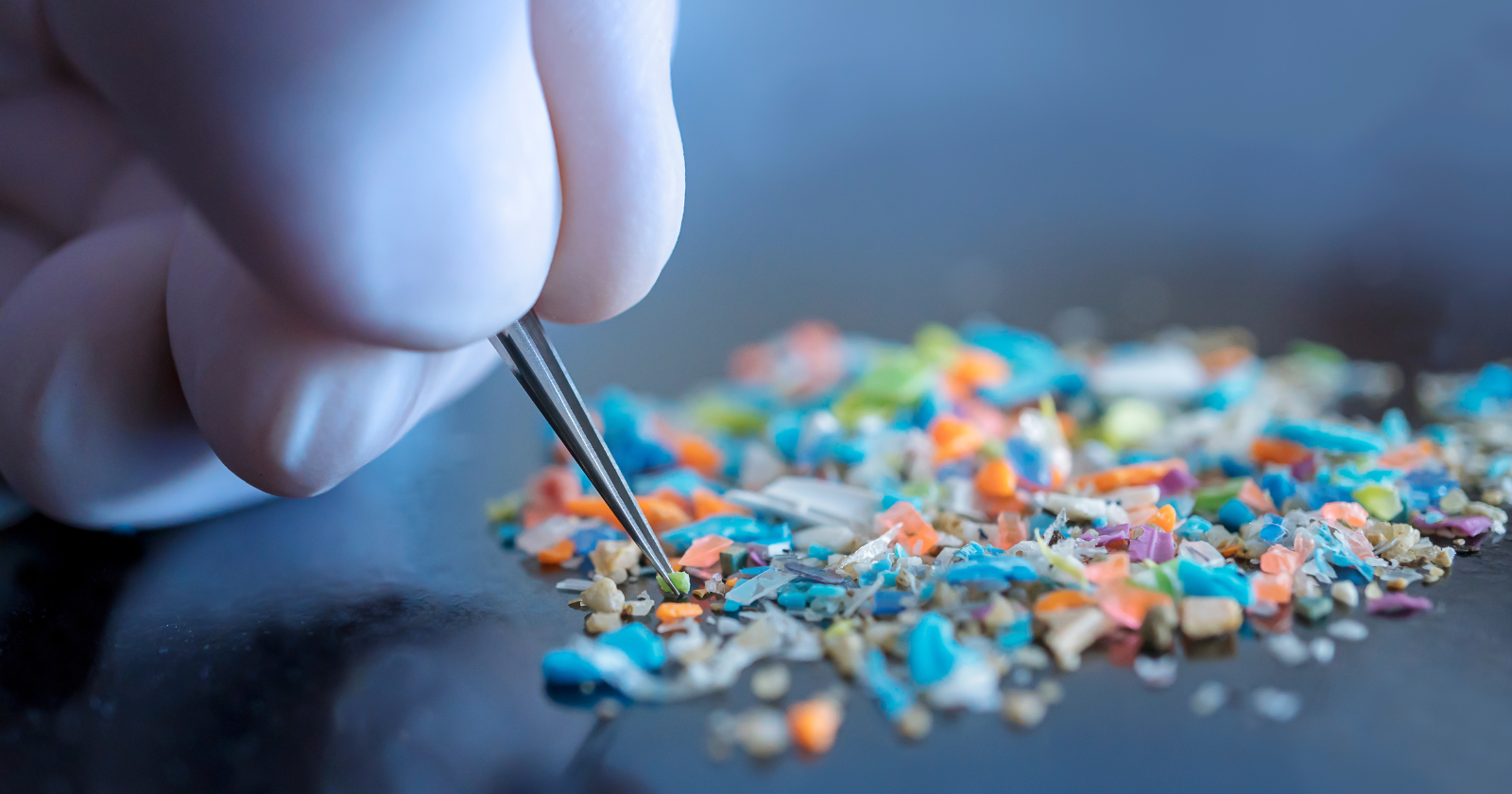
In 2019, research by Laura Hernandez and associates at McGill University, published in “Environmental Science & Technology,” revealed that steeping a single plastic teabag at 95°C yielded around 11.6 billion microplastic particles and 3.1 billion nanoplastics per cup. Subsequently, Germany’s food safety authority, the German Federal Institute for Risk Assessment (BfR), conducted the same experiment, uncovering considerably lower counts of between 5,800 and 20,400 particles per bag above one micrometre, raising doubts about the initial results.
The differences stemmed from the procedures utilized for preparing and analyzing the samples. Hernandez’s group dried the tea infusion, which might have led to the misclassification of crystallized soluble components as plastic. Conversely, the German scientists employed micro-Raman spectroscopy, determining that only 1.6 to 5.3 percent were polyamide, indicating that many of the particles identified were, in fact, oligomers, which are not harmful at the levels detected.
BfR pointed out that the initial preparation method was inadequate for accurately distinguishing plastics, claiming that most particles identified were non-plastic compounds. McGill defended their findings, yet the concerns raised by BfR remain unresolved.
An intriguing finding from the German study suggested that teabag particles may have already existed on the bag, implying that rinsing occurred rather than erosion. In 2025, the European Food Safety Authority examined studies on micro and nanoplastics from packaging, underscoring various flaws and emphasizing that mechanical stress, rather than leaching, is the main driver of particle release.
Even with Germany’s rectification in 2020 and additional clarifications in 2025, the original startling figure persisted as more memorable and appealing to the media, highlighting the difficulties of communicating scientific corrections effectively.