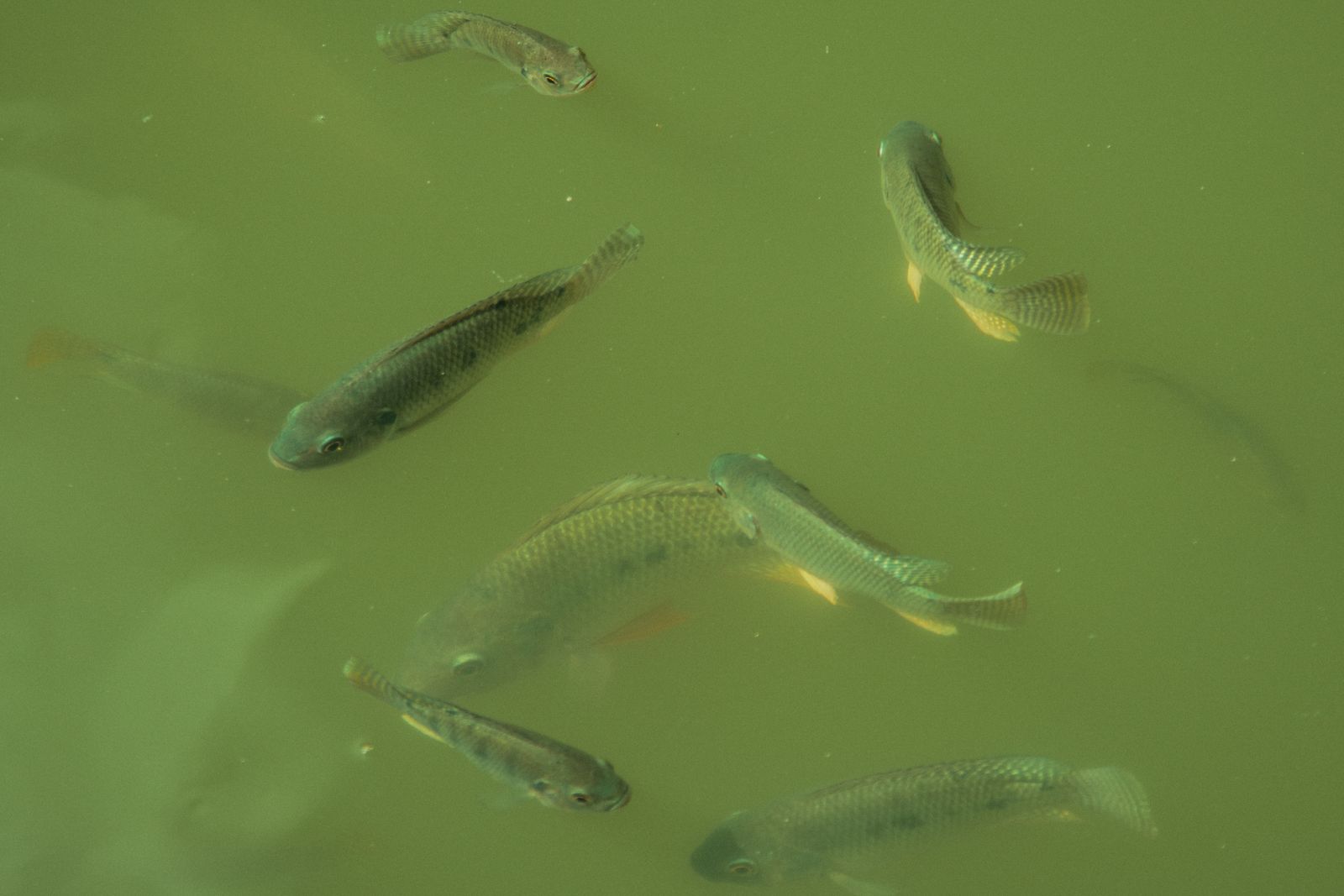
A recent investigation featured in *Microbial Pathogenesis* has discovered four *Flavobacterium* species among 11 bacterial isolates linked to fish in Brazilian aquaculture. The isolates comprise six of *F. oreochromis*, along with *F. davisii*, *F. indicum*, and *F. inkyongense*. These results underscore the prevalence of these bacteria in both native Brazilian fish and tilapia, highlighting their growth and biofilm production at temperatures prevalent in warm-water aquaculture environments.
Released online on May 6, 2026, and showcased by Agência FAPESP in July, this peer-reviewed study came from a collaboration between scientists at the Aquaculture Center of São Paulo State University and Zambeze University. It analyzes bacterial isolates sourced from São Paulo, Minas Gerais, and Paraná. The significance of this research is notable, though it is narrower than assertions regarding new pathogen introductions from Asia or the U.S. to Brazilian tilapia farms.
### Results and Findings
The research group employed molecular identification methods alongside assessments for bacterial growth, motility, and biofilm creation. Out of the 11 isolates, six were identified as *F. oreochromis*. Other isolates encompassed *F. davisii*, *F. indicum*, and *F. inkyongense*, providing a limited but taxonomically diverse sample of flavobacteria within Brazilian aquaculture.
Existing host records indicated that *F. oreochromis* was already recognized in Brazil as a tilapia pathogen; however, this study discovered it in native farmed species, such as tambaqui, lambari, and pacu. The researchers also identified *F. davisii* in an Amazon spotted catfish, signifying its occurrence in a commercially raised siluriform host.
This study does not assert itself as the first observation of columnaris bacteria in Brazil. A prior investigation in *Pathogens* during 2025 had previously identified *F. davisii*, *F. covae*, and *F. oreochromis* across 50 Brazilian isolates from various disease outbreaks. This 2026 work introduces new isolates, host records, and laboratory findings regarding temperature response and biofilm development.
### Importance of Species-Level Identification
Traditionally, bacteria connected to columnaris disease were grouped under *Flavobacterium columnare*. A 2022 taxonomic revision distinguished it into four separate species: *F. columnare*, *F. covae*, *F. davisii*, and *F. oreochromis*. Precise species-level identification is vital as it influences host preference, growth conditions, and disease patterns.
Farm management is dependent on specific strains rather than just bacterial names, as different strains may propagate or react to treatments variably. Accurate identification facilitates improved outbreak monitoring and vaccine formulation.
### Practical Implications: Warm Water and Biofilms
The temperature evaluations in the study highlighted significant implications. *F. davisii* and *F. inkyongense* exhibited optimal growth around 28°C, which is characteristic of Brazilian inland bodies of water. *F. indicum* thrived at 35°C, with *F. oreochromis* also preferring warmer environments. The isolates developed substantial biofilms at 28°C, raising concerns about farm equipment acting as reservoirs if insufficiently disinfected.
*F. davisii* continued to be a strong biofilm producer at 35°C, despite diminished motility, suggesting a metabolic trade-off. While the research does not directly link climate change to these bacteria’s presence in Brazil, it indicates their capability to flourish in warm aquaculture settings.
### Study Limitations
Though columnaris disease can lead to issues like lesions and gill damage, this study did not perform a nationwide prevalence assessment or evaluate farm-related losses. It concentrated solely on bacterial isolates, omitting viral pathogens or other infections. Transmission of pathogens through fish transportation, equipment, or water remains a possibility but was not investigated in this study.
### Future Directions for Brazilian Fish Farms
Brazilian aquaculture should enhance monitoring through species-level molecular identification, routine sampling, and rigorous disinfection measures to mitigate biofilm-related challenges. Ongoing research is delving into the genomes of these isolates to identify potential vaccine targets, considering autogenous vaccines for specific strains at production facilities.
In summary, the new research delivers a comprehensive species-level overview of flavobacteria in Brazilian aquaculture, extending host records and revealing temperature and biofilm formation characteristics. This specificity offers more valuable insights than general assertions of new pathogen invasions.