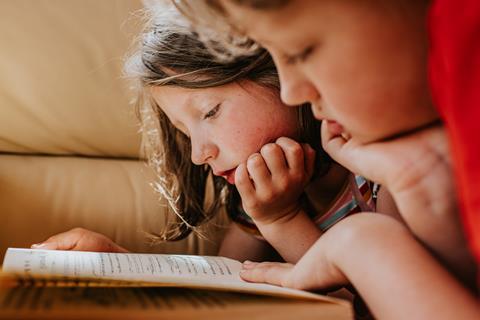
Numerous ‘motivational’ science biographies may actually be delivering discouraging messages to children, according to new findings.
Books featuring biographical accounts in science are a well-liked method for igniting children’s curiosity in the field: showcasing a range of role models can make science seem approachable and relatable to everyone. Nevertheless, the depictions of these figures and their narratives can affect the encouraging message that children derive from these biographies, in some instances even perpetuating stereotypes.
Expanding on earlier research focused on STEM role models, Jessica Gladstone at the University of Illinois, Urbana-Champaign and her team assessed the implicit messages in 422 popular children’s science biographies. The research included 655 unique protagonists from a variety of backgrounds – 59% male versus 41% female, and 76% white versus 24% ethnic minority – representing a cross-section of the best-selling books available today. They evaluated the representations of each protagonist’s capability and passion (innate or developed), along with the factors contributing to their eventual achievements (hard work or talent), merging these elements to establish whether the overarching message was inspiring or discouraging.
The capabilities of scientists were depicted as a relatively balanced blend of natural brilliance and honed ability, while interest was predominantly shown as fixed from an early age – a depiction that seems reasonable on the surface.
However, Gladstone points out that when mixed messages regarding fixed and growth mindsets are presented, people generally concentrate solely on the former, leading to the misleading impression that success in science often depends on inherent talent and enduring interest. “Psychological studies show that when children are exposed to fixed mindset perspectives about ability, it can be particularly demotivating for those who lack confidence in their skills,” she clarifies. Similarly, the notion of innate interest from childhood can alienate those who do not yet feel a robust affinity towards science.
The study revealed that women were significantly more likely to have their achievements attributed to hard work rather than talent, even when considering the additional challenges female scientists have historically encountered. This examination, especially regarding how they addressed obstacles faced by women without exaggeration, was commendable, states Claire Murray, a science communicator. “I’m not surprised by these outcomes, but I would say I’m somewhat heartbroken. It conveys a discouraging message to women. You’ll need to exert much more effort, you may go unacknowledged despite your achievements, and you’ll encounter challenges at every turn. It doesn’t help our intelligent, extraordinary girls believe they can pursue careers in science.”
Certainly, any science biography needs to accurately reflect the subject’s life, and some renowned scientists were simply gifted or captivated from the very beginning, notes Gladstone. However, it also revolves around how we present these individuals and which facets of their stories we decide to emphasize, she continues. “There should be a way to recognize that these individuals are highly intelligent while also discussing their journeys in a manner that feels more relatable and achievable for most children.”
This, however, does not imply that these books are detrimental, she adds, and particularly, these narratives could serve as a springboard for discussions surrounding what it truly means to achieve success in STEM areas, and normalizing the failures that are a crucial element of that journey.