**Unveiling an Ancient Rainforest Beneath Antarctica’s Oceans**
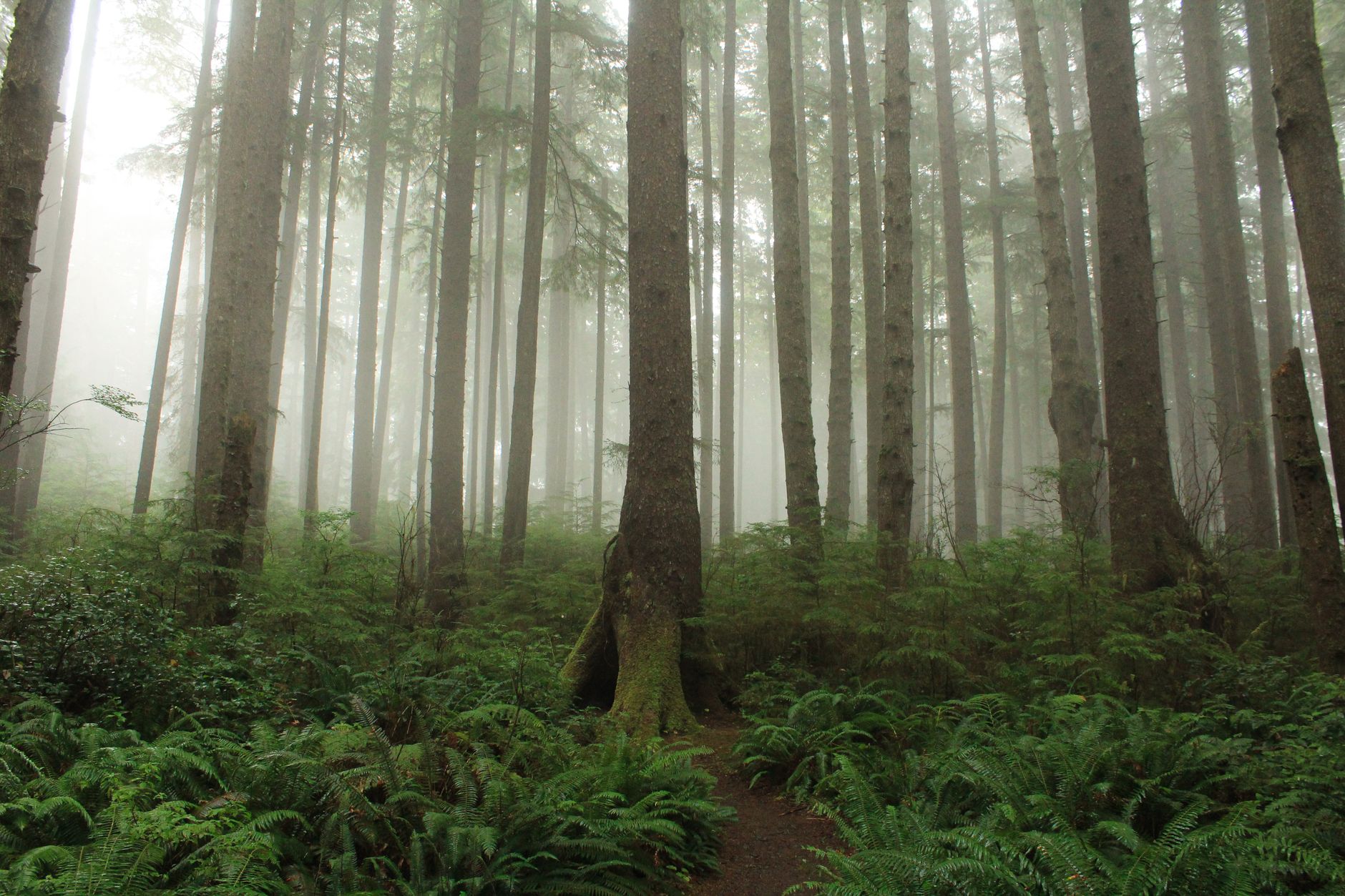
In a remarkable revelation, researchers have discovered proof of a temperate rainforest that flourished close to the South Pole, around 90 million years in the past. This extraordinary finding, derived from the examination of a sediment core taken from the ocean floor off West Antarctica, challenges deeply rooted views of the continent’s icy history.
The sediment core PS104_20-2, collected during a 2017 journey on the German research icebreaker *Polarstern*, exposed a thick network of roots embedded in fine soil, indicating the presence of a prehistoric forest. X-ray computed tomography and microscopic examinations uncovered a diverse collection of pollen, spores, and organic materials typical of a temperate lowland rainforest.
This core sample is dated to the Turonian-Santonian phase, spanning from 92 to 83 million years ago, during the mid-Cretaceous era when Antarctica was positioned near the pole. In spite of facing a polar night lasting four months, the reconstructed climate was temperate, featuring conifers, ferns, and marshy conditions, with yearly air temperatures hovering around 12 degrees Celsius and summers averaging 19 degrees.
Significantly, the core’s discoveries do not suggest fleeting tropical conditions but rather enduring growth of temperate rainforest. In a climate absent of a substantial ice sheet and atmospheric CO2 concentrations estimated between 1,120 and 1,680 parts per million, this ancient ecosystem exhibited unique adaptation strategies to survive extreme seasonal variations.
Enhancing the site’s fascination, this same core also supplied Antarctica’s inaugural recorded amber, referred to as Pine Island amber. These tiny pieces, located within a lignite layer, presented direct proof of resin-secreting trees flourishing in this ancient environment.
This investigation highlights the interconnection between land, sea, atmosphere, and ice, alongside the dramatic environmental transformations over millions of years. The presence of a prehistoric rainforest near the South Pole not only reshapes our comprehension of Cretaceous Antarctica but also underscores the ever-changing character of our planet’s climatic narrative.
Although the current Antarctic terrain remains hidden beneath layers of ice and water, the conservation of this sediment core offers an invaluable insight into a realm where life adapted and thrived in ways that continue to amaze and enlighten contemporary science.