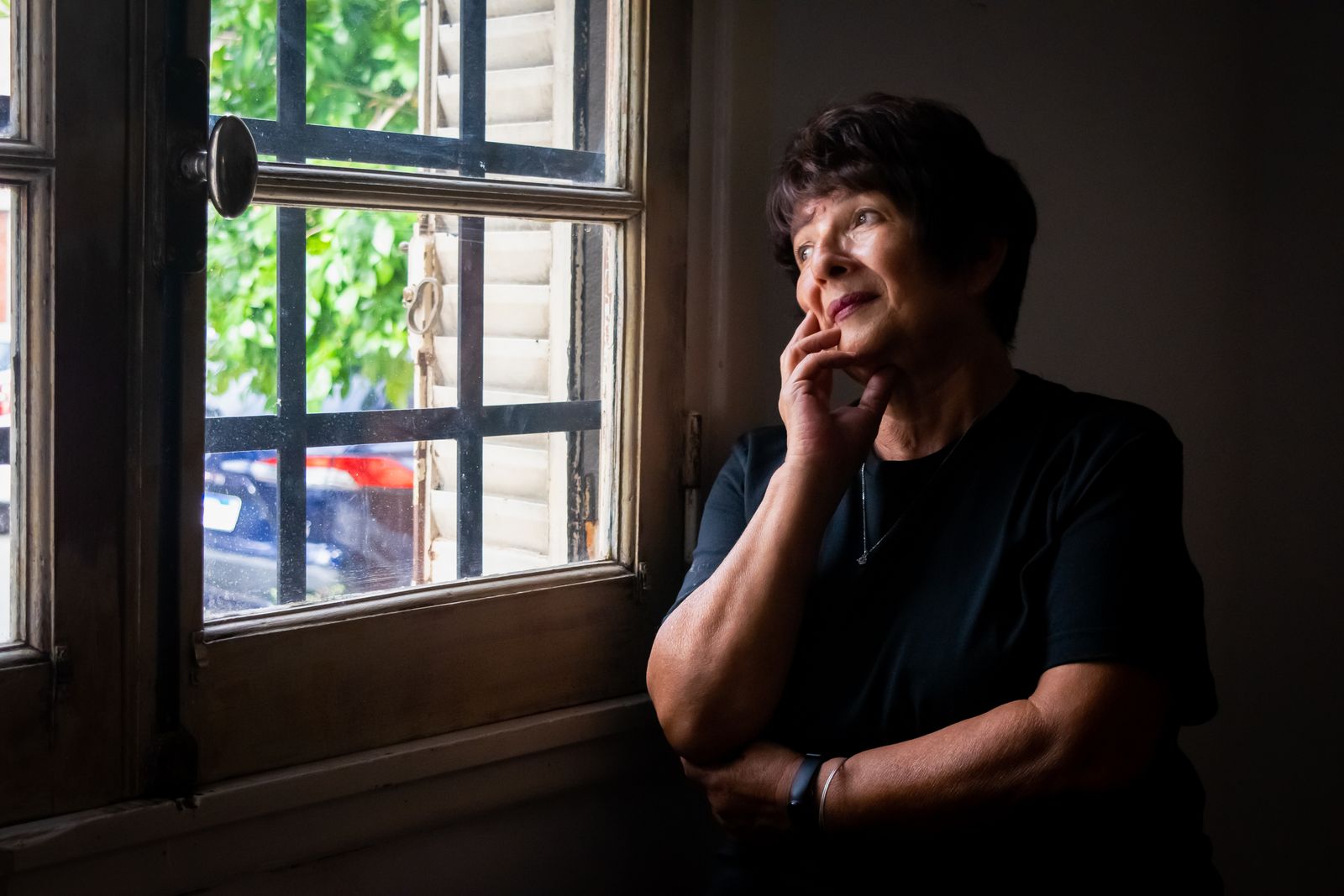
As a river flows toward the ocean, its course parallels the aging experience in humans. At first, a river may vigorously navigate through rocks and forge new routes, analogous to young people seeking to assert themselves. However, as it approaches the delta, it becomes more tranquil, carrying a heavier load, and no longer battles the landscape. A comparable change can take place in individuals during their seventies, as they become more discerning about their interactions and stop performing for an audience that is unappreciative.
**The Busyness Myth**
In contrast to common perceptions, aging successfully isn’t exclusively about remaining busy. While maintaining physical activity and routine is advantageous, overly full schedules can be exhausting. Research conducted at Duke-NUS Medical School associated increased levels of the DEAF1 gene with muscle deterioration, yet it highlighted that while exercise is beneficial, it may not completely restore muscle functionality. Additionally, a JAMA Network Open study discovered that steady activity patterns are linked to reduced biological aging, although whether this relationship is causal remains uncertain.
**Embracing Subtraction**
Individuals aging gracefully typically let go of unnecessary performances. They cease to explain or modify themselves for those who provide no authentic recognition. Such individuals prioritize meaningful connections over superficial ones, discarding taxing engagements and concentrating on genuine relationships.
**The Customer Who Wasn’t Listening**
Much of adult life revolves around seeking validation from a limited audience—whether it’s a critical parent or a supervisor who rewards with additional tasks. By their seventies, numerous individuals realize that their audience remains unchanged, prompting a subtle withdrawal from these performances.
**Understanding the Transition**
Laura Carstensen’s socioemotional selectivity theory indicates that as time becomes limited, older adults focus on emotionally significant goals rather than merely expanding their connections. A longitudinal study validated that social networks diminish in later life, with outer circles waning while close relationships persist.
Therapists like Hilary Jacobs Hendel characterize this change as a journey toward authenticity, where the need for performance declines and genuine self-awareness surfaces. This inner transformation enables individuals to identify their true desires once the commotion of external approval dissipates.
**Aging Realities**
Pew Research emphasizes that factors such as physical and mental health, financial security, and social support shape aging experiences. Nonetheless, the apprehension surrounding aging frequently fails to align with the positive experiences articulated by older adults.
**Caring Selectively**
The idea that older individuals stop caring is inaccurate. They still possess deep care but focus it on a smaller circle of loved ones, reserving their energy for significant interactions.
**Activity and Cognition**
A study published in JAMA Network Open indicated that diminished physical activity in older adults may signify cognitive decline already in progress, challenging the notion that decreased involvement is beneficial.
**A New Life Perspective**
This transition entails loss—a realization that long-desired approval may never arrive, akin to a slight mourning similar to leaving a job. However, those who adjust find satisfaction in regular routines, meaningful relationships, and some level of physical activity.
Clinicians can extend support for those grappling with this transition. Ultimately, aging well hinges on recognizing that the applause of the audience was never essential, liberating individuals to value the life they have been living all along.