Just prior to midnight on August 10, the largest nuclear energy facility in Western Europe initiated its shutdown process. At Gravelines, located along the French coastline between Dunkirk and Calais, three out of six 900-megawatt reactors sequentially tripped offline as the filter systems of their seawater pumping facilities became completely blocked, and by the following morning, a fourth reactor had its output halved. With a fifth unit already undergoing maintenance, the plant that can supply power to millions of households was reduced to merely a single reactor operating at full capacity for several days.
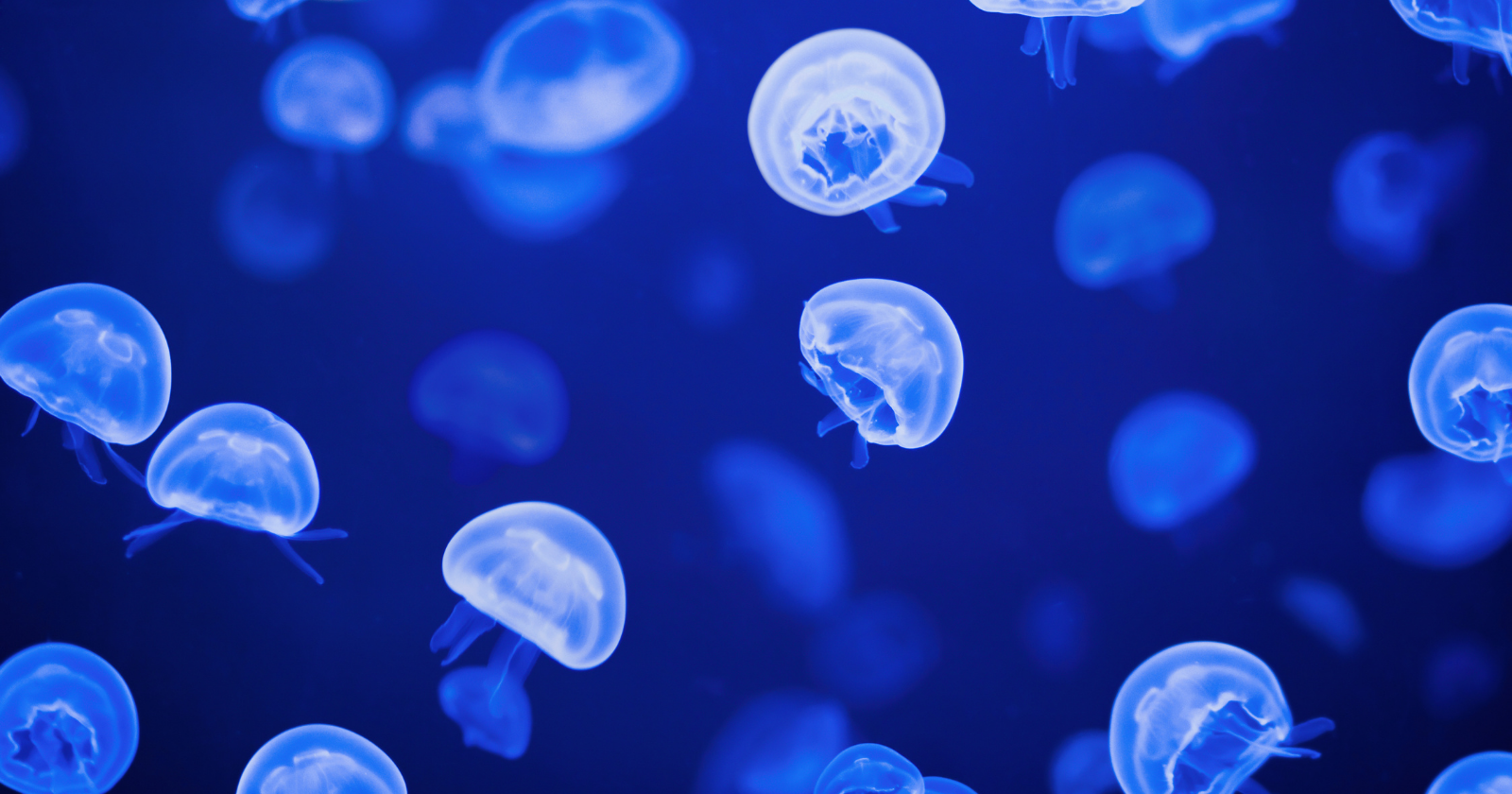
The culprit wasn’t a tempest, a strike, or a cyber attack. It was the barrel jellyfish, Rhizostoma octopus, an organism that consists of 95 percent water, lacks a brain, and cannot swim against currents, appearing in such massive numbers that local fishermen eventually removed 26 tonnes of them from the intake channels.
The vulnerable aspect in a robust system
A nuclear facility is fortified against nearly all challenges, but its one non-negotiable requirement is cooling water. Gravelines sources its water from a canal that connects to the North Sea, continuously consuming large quantities to condense steam and cool machinery, with that water entering through intakes safeguarded by rotating drum screens meant to filter out debris. The screens represent the vulnerable point. A jellyfish bloom is, from the perspective of the filter, the ocean transforming into wet gelatin: countless tonnes of soft bodies that disintegrate, compact into mesh, and endlessly regenerate from the water column. When the screens can’t allow sufficient water flow, the reactors execute the only safe option available and shut down automatically, precisely as intended. EDF’s statements emphasize that safety was never compromised, and this is accurate; jellyfish cannot damage a nuclear facility. They can only cause it to cease operations, which, for a mechanism whose output is timed by the hour, is costly enough.
What distinguishes Gravelines as a case study is the sequel structure. A similar event occurred at the same plant, nearly on the same date, one year prior: in August 2025, a swarm obstructed the pumping stations, all four operational reactors went offline, and with the remaining two already in maintenance, the whole facility plunged into darkness, taking around ten days to fully restore. EDF responded with financial resources and equipment, investing hundreds of thousands of euros in cameras, thermal imaging devices, and three fishing boats proactively patrolling the intakes around the clock. This August 11, the bloom appeared regardless, and according to the operator, the swarm proliferated faster than the patrol boats could manage. A unit that restarted on August 18 was again disabled within days by a new wave. Against a bloom, the current state of technology amounts to a net and a wish.
An age-old adversary, flourishing
None of this is unprecedented, which is precisely the point. In the summer of 2011, moon jellyfish overwhelmed the intakes at Torness on Scotland’s eastern coast, causing both of its reactors to shut down for about a week while teams cleared the screens. Sweden’s Oskarshamn plant, at that time home to one of the largest boiling-water reactors globally, was halted for several days by a bloom in 2013. Coastal facilities in Japan have contended with giant Nomura jellyfish; sites in Israel, Florida, and California have faced operational throttling or shutdowns due to gelatinous blooms; and France’s Paluel plant, located up the Channel coast from Gravelines, suffered reactor losses to a swarm just weeks after the 2025 blackout at Gravelines. The industry maintains a file for these occurrences, and that file is expanding.
The expansion constitutes the secondary layer of the narrative. Jellyfish are among the few marine organisms thriving as the modern ocean becomes more favorable: rising water temperatures lengthen their breeding seasons and accelerate reproduction, overfishing diminishes both their predators and rivals for plankton, and coastal development provides limitless hard surfaces for their polyp stage to colonize. Marine researchers debate whether jellyfish populations are increasing globally or fluctuating regionally, but operators of seawater-cooled facilities are not relying on academic findings; EDF’s patrol vessels and the bloom-monitoring systems being tested around the North Sea reflect the belief that the issue is structural. It is a striking irony that the low-carbon energy source frequently touted as a solution to rising ocean temperatures keeps being interrupted by one of warming’s most evident beneficiaries.
The lesson of the gelatin
There exists a temptation to categorize the jellyfish-induced shutdowns as nature’s vengeance, and the marketing practically writes itself: the mindless blob versus the atom. The engineering reality is less romantic and more enlightening. Every thermal power station, whether nuclear, coal, or gas, functions as a heat engine that must expel heat, and the ones located on coastlines addressed this challenge by presuming the sea would always be accessible as an infinite, compliant coolant. This assumption prevailed for decades since the sea’s contents were considered supplementary. A bloom challenges that assumption: the coolant arrives pre-mixed with