The explosion at Chernobyl’s reactor four in 1986 inadvertently set the stage for an unintentional experiment addressing a question that could never be tested deliberately: how does a landscape evolve when the inhabitants are removed but the radiation remains?
In this experiment, the control group consisted of human civilization itself. Approximately 116,000 individuals were evacuated permanently from the 4,200 square kilometers of the exclusion area, taking their agricultural activities, logging operations, livestock, and hunting firearms, leaving behind contamination that will persist longer than any current government on the planet. For many years, the prevailing assumption, bolstered by early studies indicating diminished animal populations, was that the zone was a double wasteland: void of human presence and toxic to all other life.
However, a proper count was conducted in the most traditional manner: by trudging through the snow and observing the ground.
This count occurred in the Polesie State Radioecological Reserve, the Belarusian section of the zone, where researchers carried out winter track censuses along 35 designated routes covering 315 kilometers, repeated over the winters from 2008 to 2010, recording the tracks of elk, red and roe deer, wild boar, wolves, and foxes per ten kilometers of transect. This simple method is ideal for comparative purposes, as Belarus’s uncontaminated nature reserves employ the same technique to count their wildlife. Any biases associated with footprints in snow affect both sides of the comparison equally.
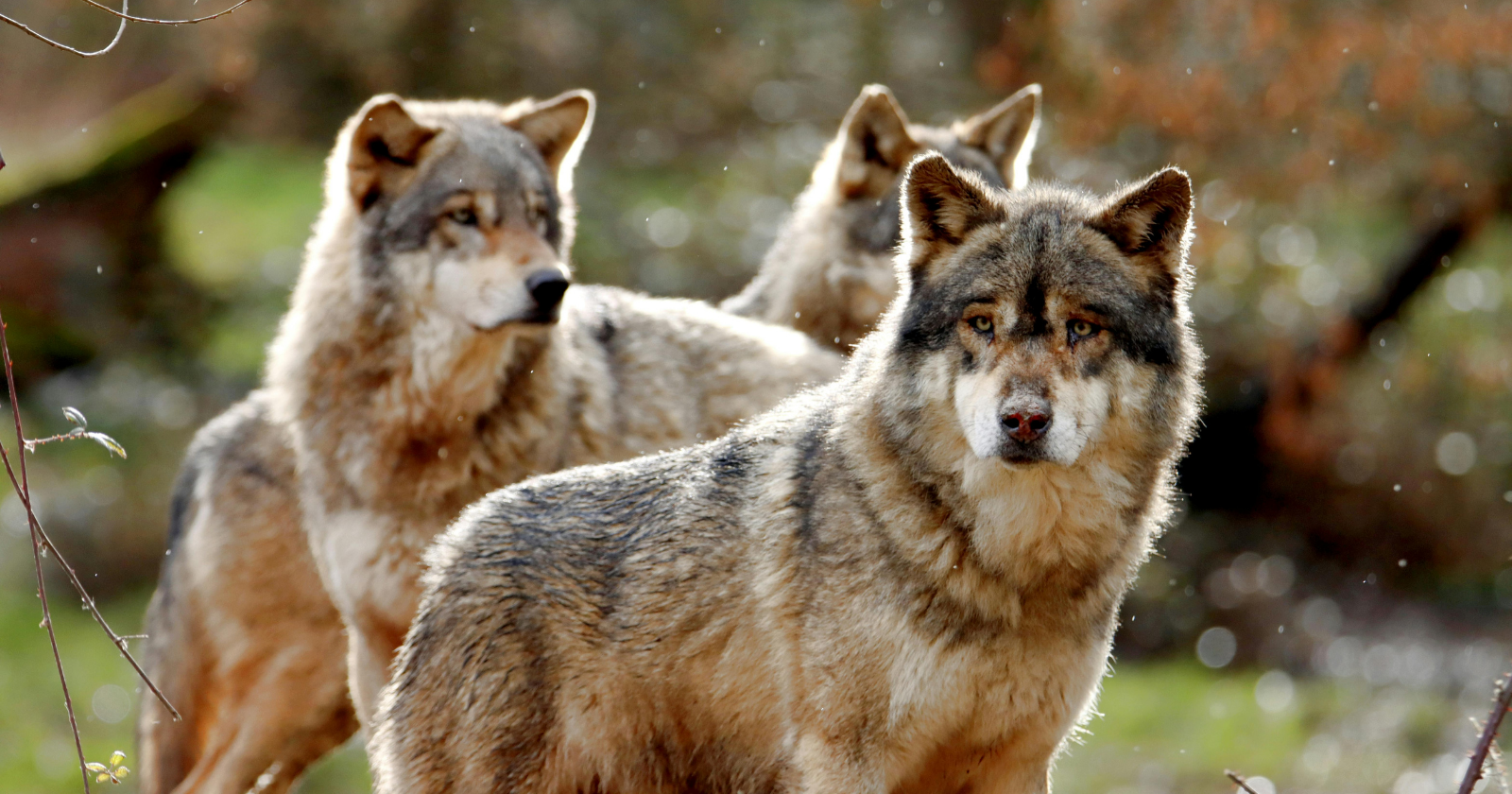
The findings, published in Current Biology in 2015 by Tatiana Deryabina and an international group, overturned the wasteland presumption in two main aspects. Firstly, the populations of elk, roe deer, red deer, and wild boar within the zone matched those found in four uncontaminated reserves in the region. Secondly, wolves were not merely surviving; their density was over seven times greater than that observed in the clean reserves, signifying a thriving predator population that exists only where prey is abundant and persecution is low.
The team then performed the critical analysis: within the zone, did animal populations decline as contamination increased? They mapped track counts against radiocaesium density route by route and identified no negative correlation for any species. The most contaminated routes hosted as much wildlife as the cleanest. Helicopter surveys conducted during the first decade post-accident provided a temporal narrative, showing increases in elk, roe deer, and boar over years when radiation levels were significantly higher than today; the only decline observed, a drop in boar numbers in 1993-94, was linked to swine fever and an expanding wolf population, standard ecological dynamics rather than the reactor’s influence.
The suppressor that vanished
The most subtly incriminating statement in the paper pertains to the period preceding the accident. The authors suggest mammal densities in the area were likely reduced due to hunting, forestry, and agriculture—the typical triad of rural land use. The evacuation effectively eliminated all three in one season. Fields transitioned to meadows and then scrub, plantations were left untended, and hunting ceased, with the wildlife response over the ensuing decades effectively illustrating the extent of that routine pressure. The implication inherent in the wolf population is unsettling: normal, legal, and unexceptional human land use had been diminishing the region’s apex predator at least sevenfold, an impact that even the worst nuclear disaster in history could not rival. As co-author Jim Smith noted at the time, this doesn’t suggest that radiation benefits wildlife; it indicates that human settlement and resource exploitation are more detrimental.
The true limits of these findings must be acknowledged, and the authors did so. A track census reveals abundance, not health; it doesn’t account for cataracts, tumors, shortened lifespans, or impaired sperm, and another line of research led by Anders Møller and Timothy Mousseau has detected genuine individual-level radiation impacts in the zone’s avian, insect, and small mammal populations, observations that the census neither substantiates nor disputes. Both scenarios can coexist, and likely do: persistent radiation harms individual animals, while at the population level, immigration and reproduction in an unhunted, unfarmed environment compensate for those losses without apparent strain. Acute consequences in the initial months following the explosion, when dose rates were drastically higher, were tangible and severe. What the zone illustrates is not that radiation is harmless but rather its rank: when it comes to factors that deplete a landscape of large mammals, it sits below the tractor and the rifle.
This finding’s lasting implication, and the reason the zone is continually labeled an accidental wilderness, is that it now supports lynx, brown bears, and reintroduced Przewalski’s horses alongside the wolves. No one would intentionally create this reserve. Its genesis is rooted in catastrophe, its soil poses an exposure risk, and its wildlife bears injury visible under a microscope. Yet, based solely on what species inhabit the area and in what quantities, the most adverse environment humans have created ranks lower than human activity itself.