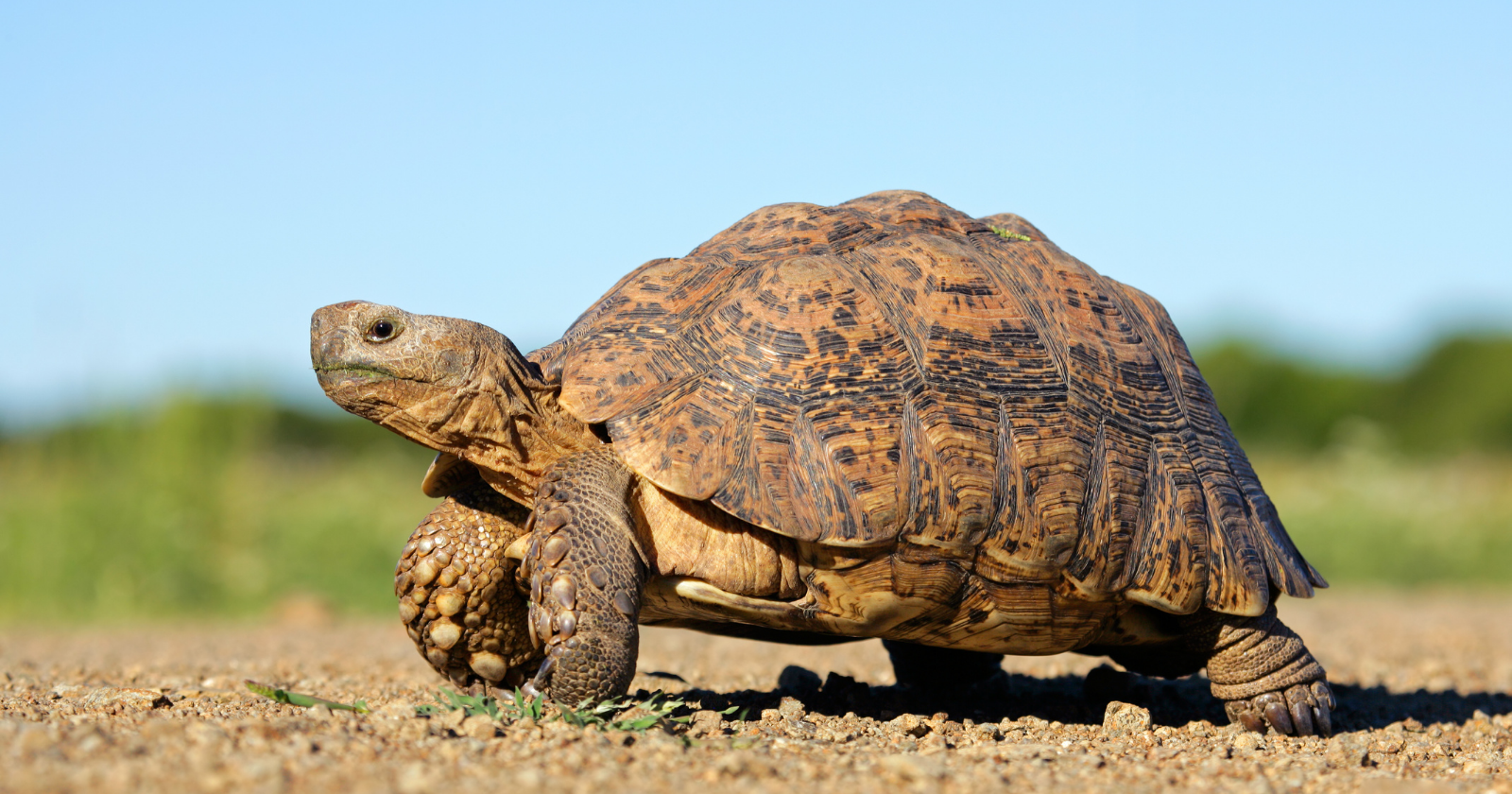
For twelve years, turtle number 144 remained an empty entry in a spreadsheet. She had been notched on her shell and released into a Massachusetts marsh during the spring of 2011, and after that, nothing. No recaptures, no sightings, and no proof she had made it through even one winter out there, much less a dozen. Then in 2023 she reappeared in the dataset, fully developed, in good health, and seemingly unfazed by the entire ordeal.
The origin of Ivy
Her mother engaged in something reckless yet entirely typical for the species. In spring 2010, as documented by the U.S. Fish and Wildlife Service, a female Blanding’s turtle emerged from the wetlands at Great Meadows National Wildlife Refuge in Concord, Massachusetts, traveled over a mile, and laid her eggs within the landscaping of a nearby office park. Eleven hatchlings emerged from that nest. One was a female weighing seven grams, slightly more than a US quarter. Staff from the Stone Zoo in Stoneham gathered her and named her Ivy. Wild Blanding’s hatchlings typically spend their first winter at around the size and weight of that same coin, which is a generous way of saying they exist as portable snacks. Ivy spent hers indoors, in warm water, with ample food. By the time she returned to the refuge ten months later, she weighed nearly a third of a pound.
Twelve years of complete silence
Monitoring turtles largely involves not finding them. Field teams trapped and surveyed that refuge for over a decade without any record of her. She might have been eaten, run over by a vehicle, or taken by a collector, all of which are common fates for a young turtle. Instead, she was quietly thriving in the marsh, and she reappeared during a routine survey in 2023 at nearly reproductive size. Zoo New England staff equipped her with a radio transmitter and waited. They waited an additional two years.
The night watch
On 25 June 2025, senior field conservationist Jimmy Welch tracked her signal off the refuge and onto nearby protected land, standing in the dark while she dug. Ivy began laying her eggs at 2:30 AM. Eight eggs. MassWildlife confirmed that seven hatched that autumn, marking the first documented offspring of any turtle raised through the Great Meadows program. Those seven followed the same path as their mother, most raised by school students. On 25 June 2026, exactly one year after the eggs were buried, two were released into a wetland at the refuge in front of around forty people.
The lengthy process
Blanding’s turtles are slow, disrupting the typical conservation timeline. In its species account for Chelonian Research Monographs, the IUCN Tortoise and Freshwater Turtle Specialist Group indicates sexual maturity at fourteen to twenty-one years, with individuals living past seventy-five and still breeding. A program that commenced in 2003 was never going to produce a second generation before the mid-2020s, regardless of how well it was managed. Headstarting is the alternative solution. Skip the year when the animal is vulnerable, and the survival statistics shift. A mark-recapture study at the Assabet River refuge, a different Massachusetts reintroduction site, found first-year survival rates among headstarted hatchlings nearly six times higher than those released straight after hatching. That is one study from one site. MassWildlife cites a much broader figure, indicating forty times the chance of reaching adulthood, so the precise multiplier remains uncertain. However, the trend of the effect is clear.
What two turtles demonstrate
Not much, on their own. Two hatchlings do not constitute a population, and the species is still under evaluation by the Fish and Wildlife Service for federal protection while it continues to lose wetlands to roads and development. What they do illustrate is a mechanism. Remove a hatchling, feed it well, return it, and fifteen years later it lays eggs in that same environment with no assistance. Everything prior to this release was an input. Ivy represents the first output. State herpetologist Mike Jones informed the audience that the turtles released that evening might outlive some of the onlookers. Given the species, and considering Ivy’s history of disappearing, it’s unlikely anyone present will be around to verify that.