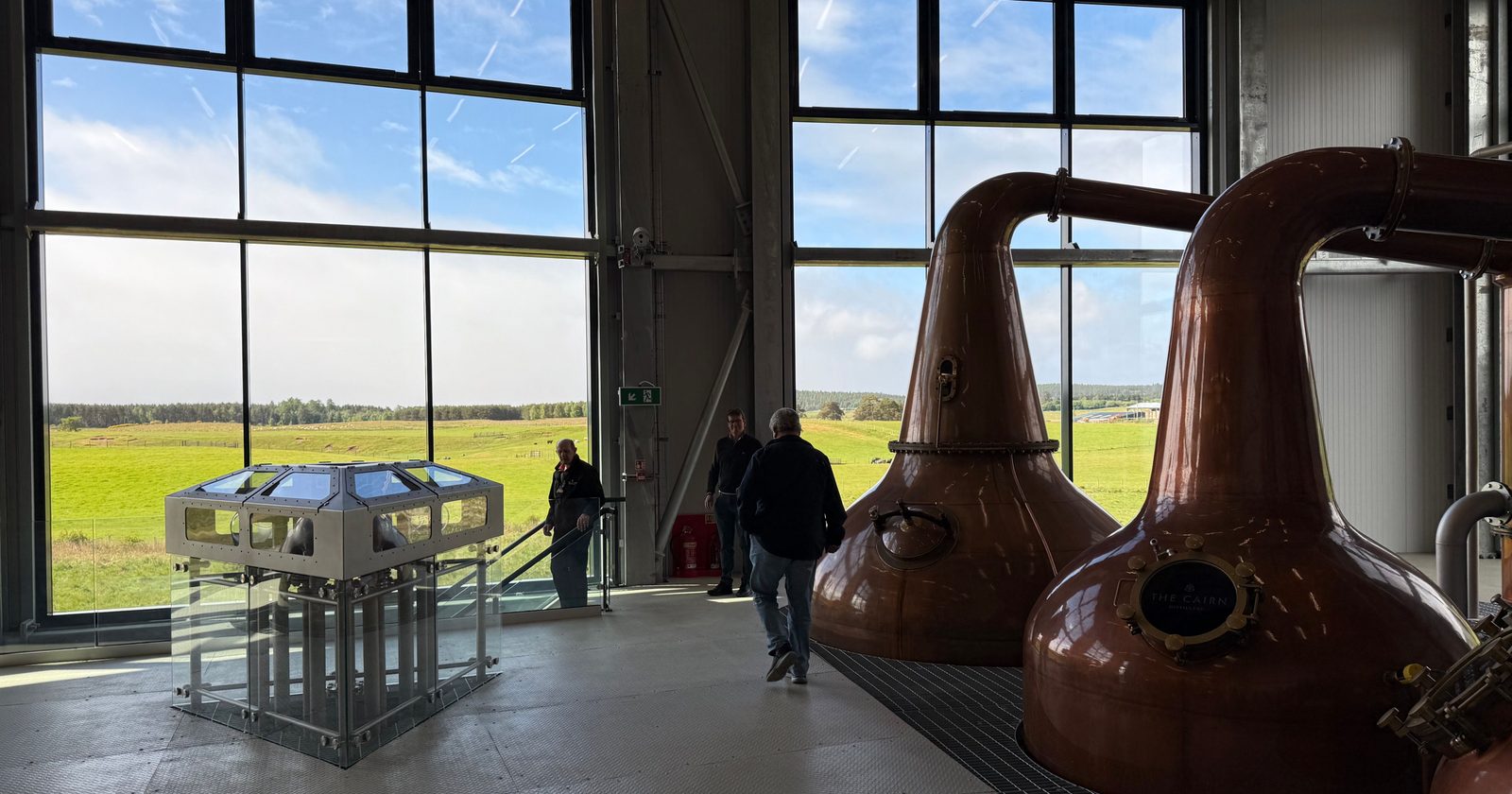
**A Century-Old Wartime Recipe Inspiring Contemporary Scotch Whisky Waste Recycling**
Throughout the First World War, Britain encountered a severe shortage of acetone, an essential element for creating the smokeless propellant called cordite, crucial for munitions. This deficit was mitigated through a bacterial fermentation technique pioneered by Chaim Weizmann at the University of Manchester. A century later, this same method facilitates the conversion of Scotch whisky production by-products into biofuel, representing a pioneering environmental advancement that harnesses historic scientific insights.
**The Wartime Source of ABE Fermentation**
Chaim Weizmann, who would later become Israel’s inaugural president, identified that the bacterium *Clostridium acetobutylicum* could ferment sugars to yield acetone, butanol, and ethanol. This revolutionary ABE (acetone-butanol-ethanol) fermentation method provided a crucial fix to Britain’s wartime acetone scarcity, generating up to 3,000 tons of acetone each year by 1917. The method was revolutionary, being among the earliest to require asepsis on a large industrial scale.
**Current Use: Whisky By-product Fuel**
The fabrication of Scotch malt whisky produces considerable waste, specifically draff (spent grains) and pot ale (the liquid from copper stills). These by-products are now incorporated into an innovative recycling initiative thanks to Celtic Renewables, a firm established from Edinburgh Napier University. By applying the age-old Weizmann technique, they ferment whisky waste to generate biobutanol, a biofuel which was trialed in a Ford Focus in 2017, representing the first vehicle operated on whisky residue fuel.
**Evolving Economies, Consistent Microbiology**
While the microbiological process has not altered since Weizmann’s time, the motivators have evolved. Initially, the emphasis was on acetone during wartime; nowadays, the concentration is on butanol as a renewable fuel alternative. Celtic Renewables has taken advantage of the extensive waste produced from whisky making—previously a disposal concern—turning it into a valuable asset. This process demonstrates how time-honored scientific techniques, once set aside due to shifting economic realities, can rejuvenate efforts to tackle modern environmental issues.
This blend of history and contemporary requirements highlights how enduring technologies like ABE fermentation can provide remedies for today’s industrial waste challenges, propelled by new economic motivations and environmental imperatives.