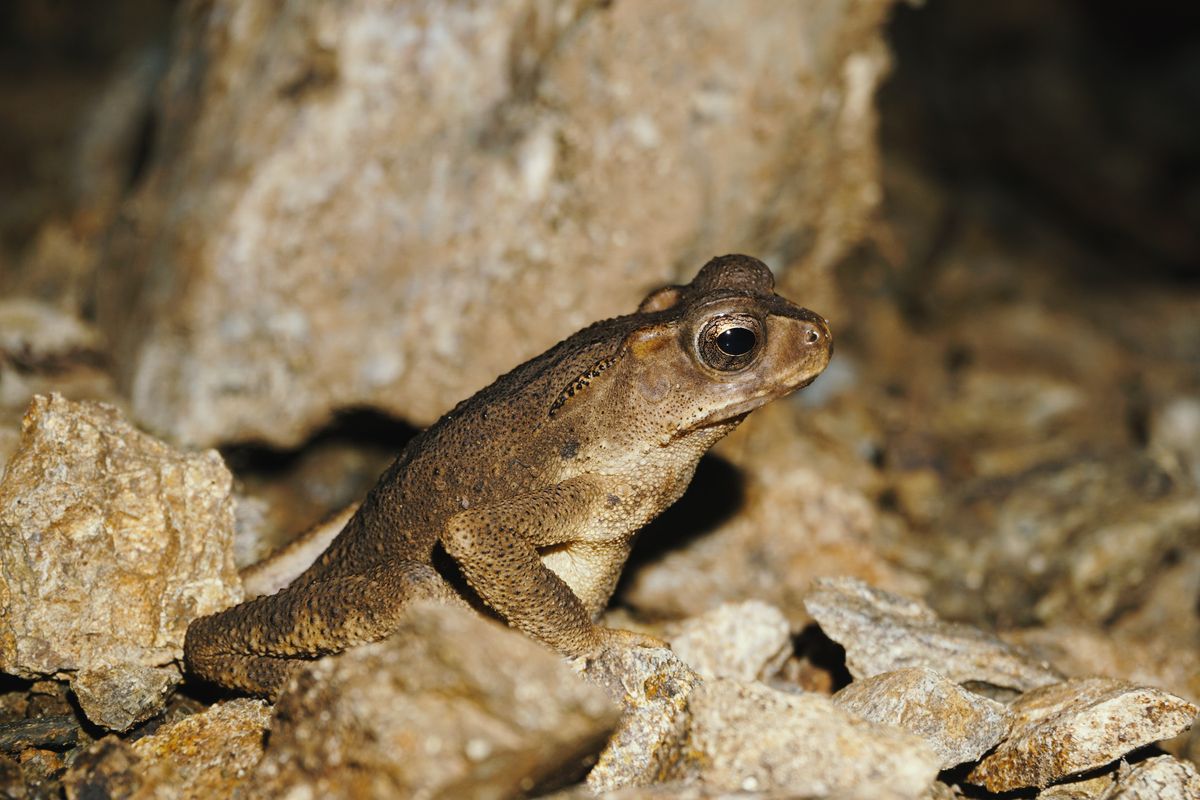
A toad consuming a beetle might seem like the conclusion of a hunt, but in certain instances, it marks the beginning of an escape journey lasting more than an hour. In a 2018 investigation, Shinji Sugiura and Takuya Sato provided bombardier beetles to toads, finding that 43% of the toads expelled the beetles alive after some time. The beetles discharged heated defensive chemicals inside the toads, triggering vomiting. Larger beetles and smaller toads heightened escape success. Nevertheless, these laboratory findings do not reflect survival rates in the wild.
Bombardier beetles can emit a heated chemical jet. A study employing high-speed X-ray imaging revealed that these jets are released in bursts due to a mechanism that regulates pressure. This showcases the beetle’s intricate defense system, but the reactions of predators can vary.
In another study, frogs declined to consume live beetles, frequently doing so before ingestion, hinting at defenses extending beyond chemical emissions, potentially involving surface chemicals. These results illustrate that being chemically defended is merely a starting point for understanding interactions between predators and prey.
Sugiura’s discoveries prompted investigations into the escape routes of other insects. A different beetle, Regimbartia attenuata, demonstrated an alternative escape method by traversing through a frog’s digestive system, highlighting various defense strategies.
It’s crucial that observations persist until outcomes become clear, as the initial interactions with predators may not reveal successful predation. Thorough sequences uncover a variety of defense phases and their effectiveness. For these beetles, genuine success was in returning to the outside.