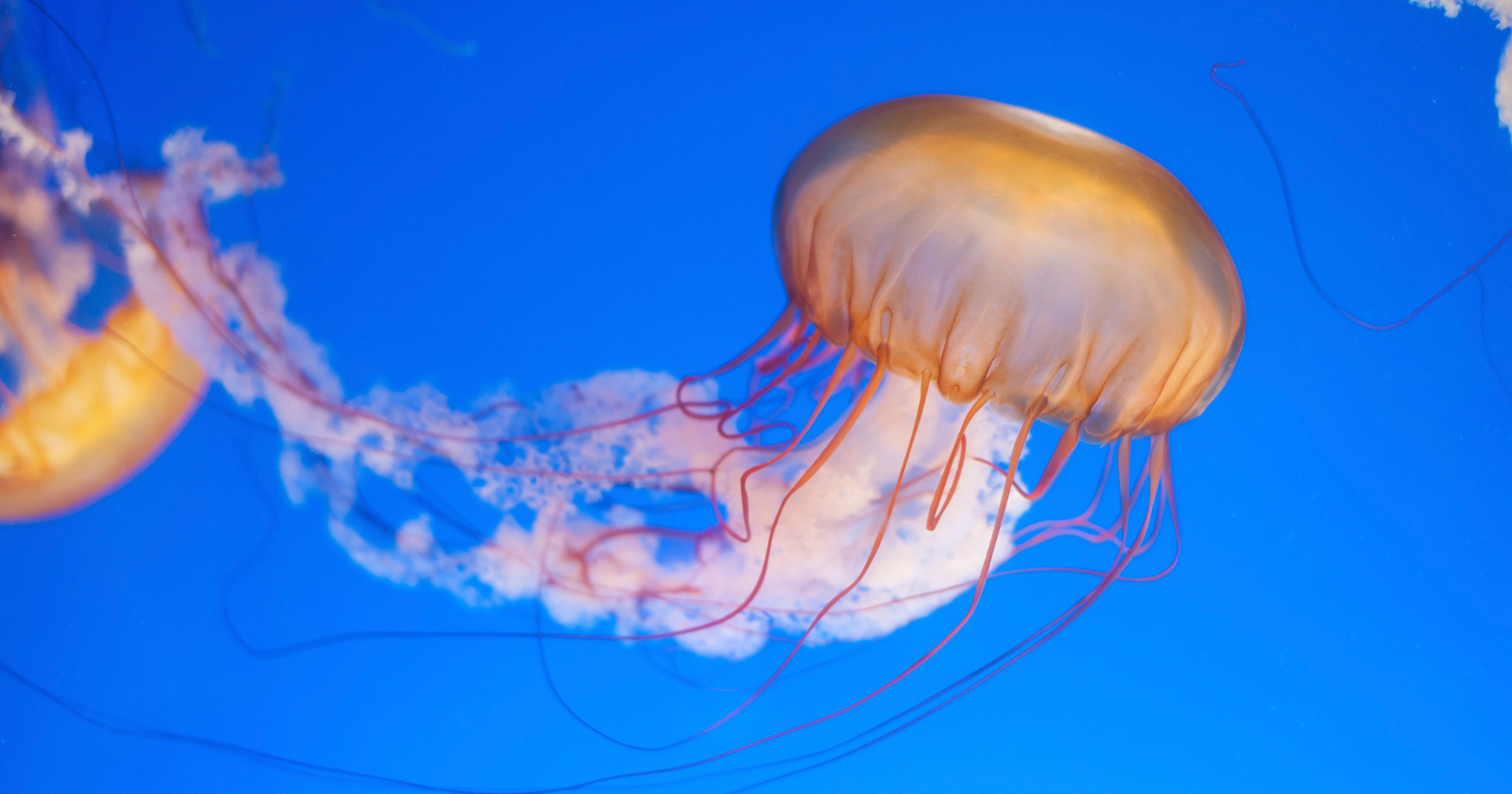
A Clear Revelation: The Newly Identified Jellyfish Species *Orchistoma integrale*
In 2018, under the serene waters of Tanabe Bay, Wakayama, a young enthusiast stumbled upon a captivating jellyfish — one that would eventually be classified as a new species. Ryoya Sugimoto, merely 13 at the time, was familiar with Japan’s diverse marine ecosystem. However, this jellyfish was unlike any he had previously encountered or studied. Fueled by curiosity, Sugimoto gathered samples, marking the beginning of an extraordinary scientific expedition that would culminate in the official identification of *Orchistoma integrale* in 2025.
Sugimoto carefully examined the jellyfish’s unique tentacles and bulbous formations, along with the distinctive arrangement of its manubrium and gonads. Aware of its uniqueness, he contacted experts, including Allen G. Collins from NOAA. Seven years of dedicated research ensued, encompassing intricate anatomical analyses and DNA sequencing.
This extraordinary discovery signifies the first appearance of the *Orchistoma* genus in the Northwest Pacific. Previously, such hydromedusae had been restricted to other marine regions. The finding not only broadens our geographical knowledge but also challenges assumptions about how species like *Orchistoma integrale* may go unnoticed, prompting inquiries regarding their rarity and distribution.
The term “integrale” carries meaning, inspired by the integral-shaped gonads of the species. This creation by Sugimoto further underscores how the young researcher’s commitment unveiled a scientific revelation — now forever etched in scientific literature with his name as the primary author.
The transition from dockside discovery to scientific publication illustrates the importance of curiosity and persistence. Sugimoto’s narrative enriches the intricate fabric of scientific exploration, highlighting that observant eyes in unexpected locations can produce insights that alter our comprehension of biodiversity. With specimens currently housed in prestigious organizations like Japan’s National Museum and the Smithsonian, they act as an enduring resource for future scholars exploring the evolutionary narratives concealed beneath our seas.