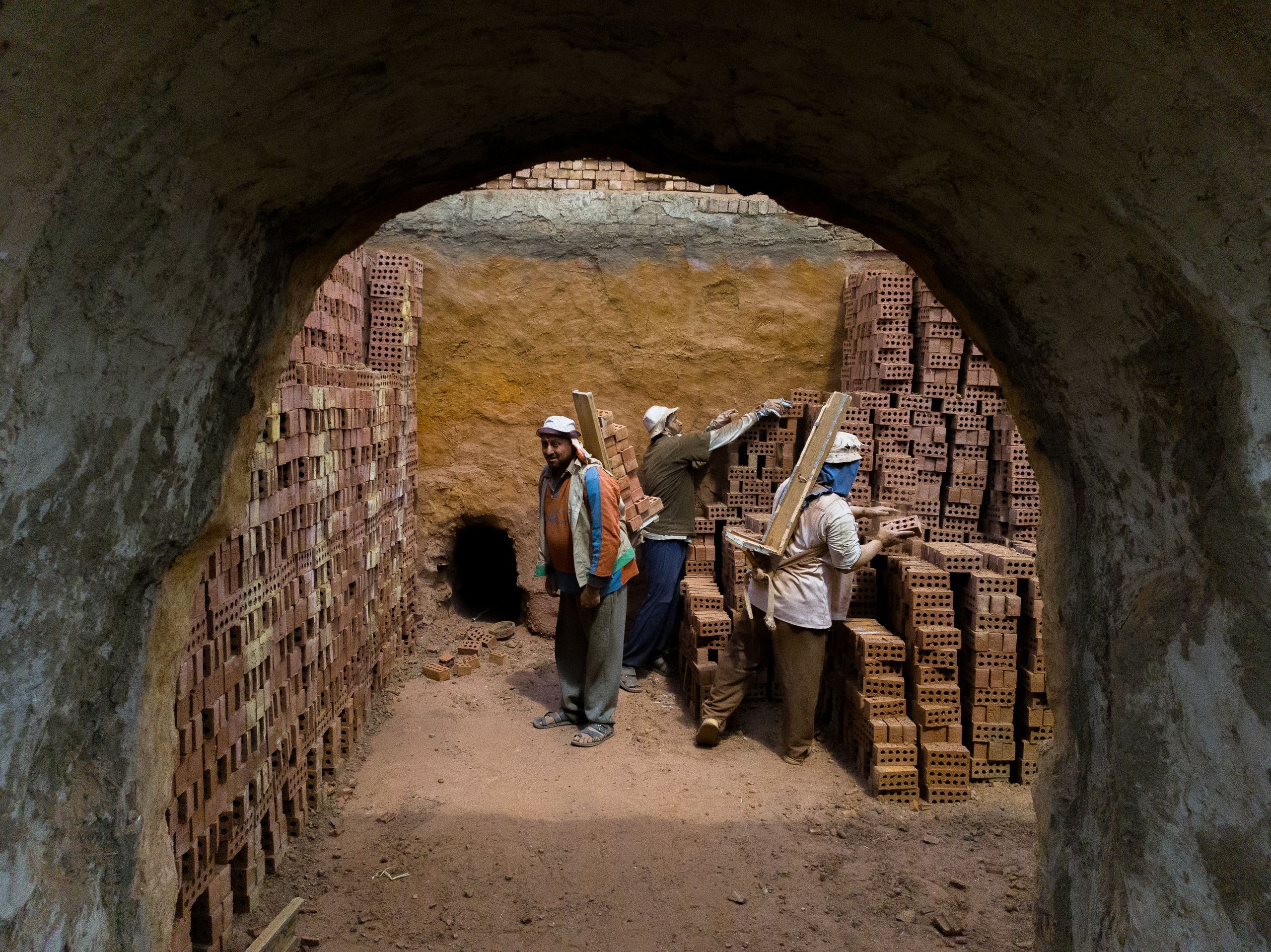
### Converting Cigarette Waste into Eco-Friendly Building Materials
An abandoned cigarette butt represents much more than an unattractive piece of trash; it signifies a major environmental challenge. Made of cellulose acetate fibers laced with harmful residues from tobacco smoke, these tiny pollutants accumulate in staggering numbers, with over 4.5 trillion discarded worldwide each year, as indicated by the World Health Organization. Their longevity and volume have spurred creative solutions to lessen their ecological footprint.
#### Creative Solution: Incorporating Cigarette Butts in Bricks
Scientists at the Royal Melbourne Institute of Technology (RMIT) have initiated a groundbreaking method to tackle this waste issue, utilizing cigarette butts as an ingredient in brick manufacturing. By adding just one percent of cigarette butts by weight into clay bricks, a significant decrease in weight and thermal conductivity can be accomplished while still achieving considerable compressive strength. Furthermore, the organic content within the butts can supply additional energy during the brick-firing process, offering the dual advantage of waste reduction and energy savings.
#### Encouraging Laboratory Findings
In their 2020 research published in the journal Materials, Halenur Kurmus and Abbas Mohajerani analyzed bricks with different proportions of butt material. Although the inclusion of one percent cigarette butts led to a 37 percent drop in compressive strength, the bricks retained a compressive strength of 30.8 megapascals (MPa), which remains sufficient for various construction purposes.
The addition of butts decreases the dry density of the bricks from 2,114 kg/m³ to 1,983 kg/m³ while enhancing water absorption, suggesting a compromise with porosity. This porosity also facilitates a 16.76 percent decrease in thermal conductivity, improving the insulation qualities of the bricks.
#### Energy Efficiency Improvements
The one-percent butt mixture also indicated potential energy conservation. The preliminary study estimated a 10.2 percent reduction in firing energy, supported by subsequent research that observed similar savings in a laboratory furnace environment. However, these outcomes are still limited to lab conditions and require verification at an industrial level.
#### Environmental Insights: Heavy Metal Immobilization
Incorporating cigarette butts in bricks additionally tackles the leaching of toxic metals. A 2020 study revealed that firing bricks effectively immobilizes more than half of the metals usually found in cigarette waste, such as chromium and nickel, which showed marked reduction in leaching after firing.
#### Scaling Obstacles and Environmental Considerations
Although laboratory findings are promising, incorporating cigarette butts into brick manufacturing on a commercial level poses challenges. A well-developed system for collecting, processing, and integrating butts into bricks is vital to curb contamination risks and manage emissions during the firing phase. Lifecycle assessments are essential to evaluate the environmental impact of this approach against conventional disposal methods like landfilling and incineration.
The RMIT study emphasizes the potential of cigarette butts as a significant resource in eco-friendly construction materials. While the transition from laboratory research to large-scale implementation involves addressing technical and environmental challenges, the concept highlights the innovative possibilities to convert waste into practical, environmentally-conscious building solutions.