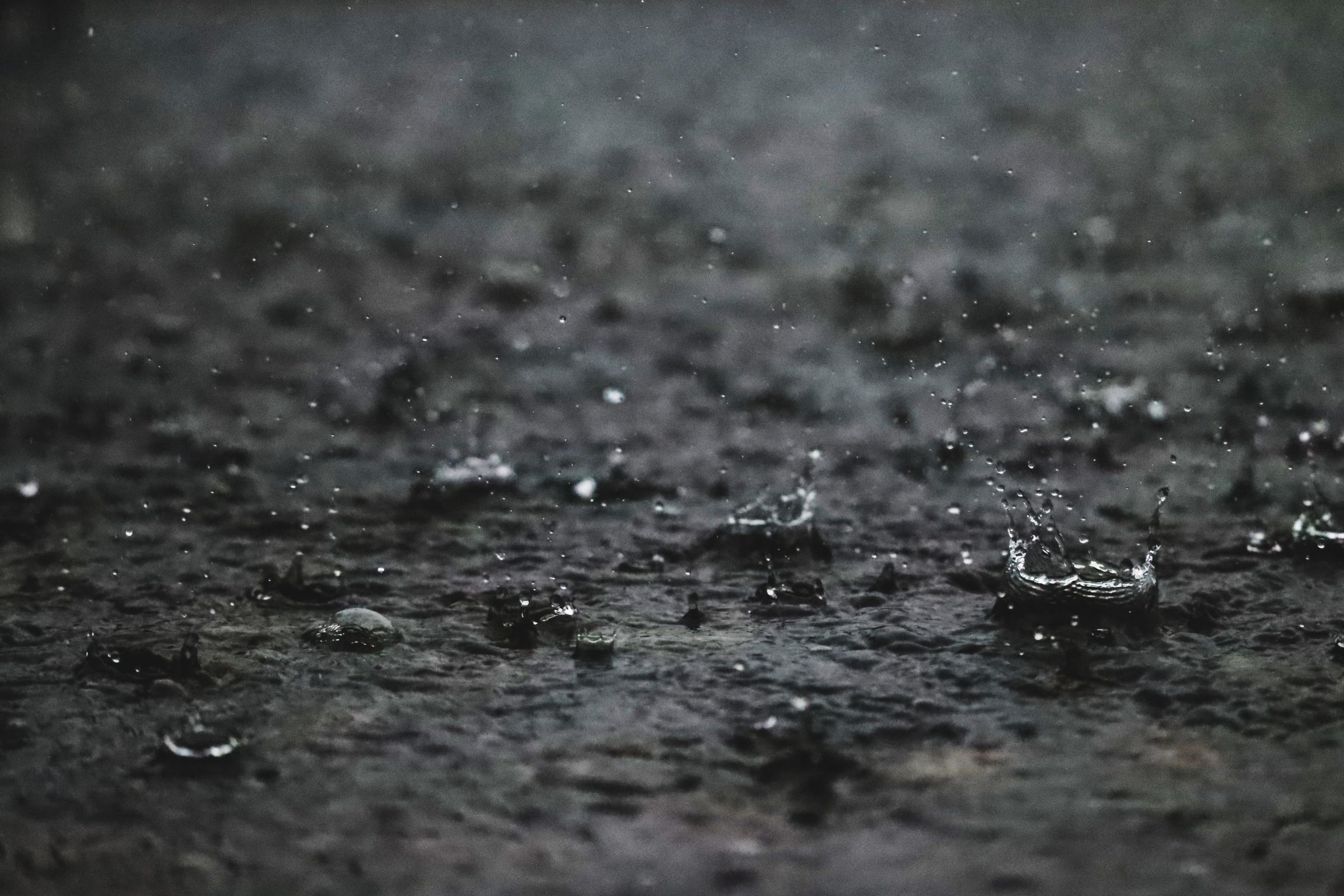
The gentle contact of a raindrop can initiate the release of minuscule droplets from permeable soil, functioning as a microscopic aerosol pump. When rain hits somewhat dry surfaces, air bubbles can become entrapped as the water disperses over the particles. These bubbles ascend and pop at the surface, propelling droplets into the atmosphere. In a 2017 research study, it was discovered that light rainfall, instead of heavier rainfall, enhances this mechanism and can carry bacteria from the ground.
Utilizing cultured bacteria and sanitized soil, the research demonstrated that impacts from lighter raindrops, moving at speeds ranging from 0.6 to 1.7 meters per second, were proficient in transferring aerosols laden with bacteria, especially in sandy clay soils. Elements such as soil composition, moisture level, and temperature had a notable effect on this process, highlighting the influence of environmental conditions on the formation of bioaerosols.
The consequences for atmospheric chemistry and microbial ecology are extensive, with projections indicating that a significant amount of bacterial cells could be aerosolized on a global scale. Nevertheless, converting laboratory results to real-world situations necessitates additional field studies to consider the intricacies of natural settings and rainstorms.