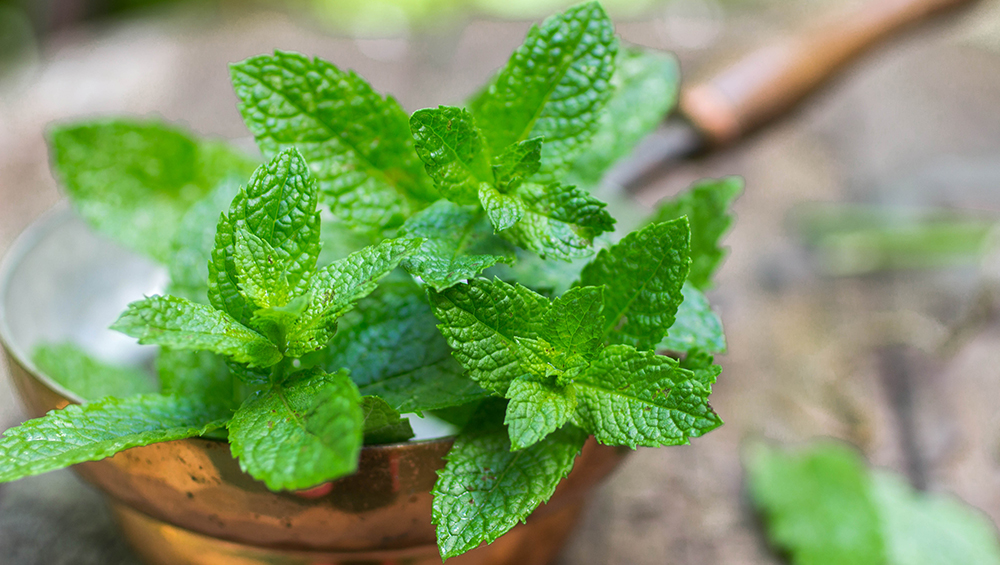
Gen-Ichiro Arimura gazes at a collection of illuminated graphs in his laboratory at the Tokyo University of Science, and the figures are displaying something remarkable. For years, the domain of nutrition science has been plagued by persistent doubt: while we recognize that the “Mediterranean diet” or the spice-rich cuisines of Southeast Asia are beneficial, testing their individual elements in the laboratory often yields disappointing outcomes. To witness the anti-inflammatory benefits observed in a petri dish, one would need to consume an impractical quantity of turmeric or mint.
However, Arimura and his research team have recently uncovered a crucial link. It’s not just a single “superfood”; it concerns the subtle interactions occurring between them. Upon combining capsaicin—the spiciness from chili peppers—with menthol from mint, the results did not merely accumulate. They multiplied.
“When capsaicin and menthol or 1,8-cineole were utilized together, their anti-inflammatory impact increased several hundred times compared to when each substance was applied alone,” states Arimura. Notably, the combination with menthol drastically reduced the quantity of the compound necessary to inhibit inflammation by an astounding 699-fold.
To observe this in practice, the team focused on macrophages—the “first responders” in our immune system. When these cells sense danger, such as the bacterial lipopolysaccharides used in the research to mimic infection, they release pro-inflammatory cytokines like TNF-α and IL-6. This response is crucial, but when it doesn’t subside, it evolves into the “silent killer” related to type 2 diabetes, heart disease, and even cancer.
The researchers administered these activated macrophages with a mix of well-known ingredients: menthol, capsaicin, and 1,8-cineole (the fragrant core of eucalyptus). Through calcium imaging, they observed as the cells’ internal signaling illuminated. They found that menthol and cineole function by adjusting “TRP channels”—molecular gatekeepers on the cell surface regulating calcium flow. On the other hand, capsaicin appears to enter the cell’s mechanisms via a different, independent route.
By simultaneously targeting both pathways, the compounds produce a biological pincer action. “We showed that this synergistic outcome is not merely coincidental, but is founded on a new mode of action arising from the concurrent activation of different intracellular signaling pathways,” Arimura elucidates.
This molecular partnership clarifies why traditional recipes—imagine a spicy Thai curry laced with refreshing mint and aromatic herbs—might accomplish much more than just satisfying the taste buds. They are likely designed to invoke these synergies at the low concentrations typically found in a regular meal.
“This offers solid molecular-level proof for the empirically recognized effects of mixing food components,” notes Arimura. The discovery indicates that “specific pairings of plant-derived functional elements can significantly boost anti-inflammatory effectiveness,” presenting a fresh framework for how we might create supplements or even scents that deliver far greater value than their stature suggests.
As we transition to a more “functional” approach to eating, the key may lie not in seeking out the next exotic berry, but in the manner we combine the modest ingredients already available in our spice cabinet. It appears that when it comes to combating inflammation, the entirety is indeed far greater than the mere sum of its parts.
Study link: https://www.mdpi.com/2072-6643/18/3/376
No paywall is present here, yet expenses exist
If our reporting has educated or motivated you, please consider making a donation. Every contribution, regardless of size, enables us to keep providing accurate, engaging, and reliable science and medical news. Thank you for joining us!