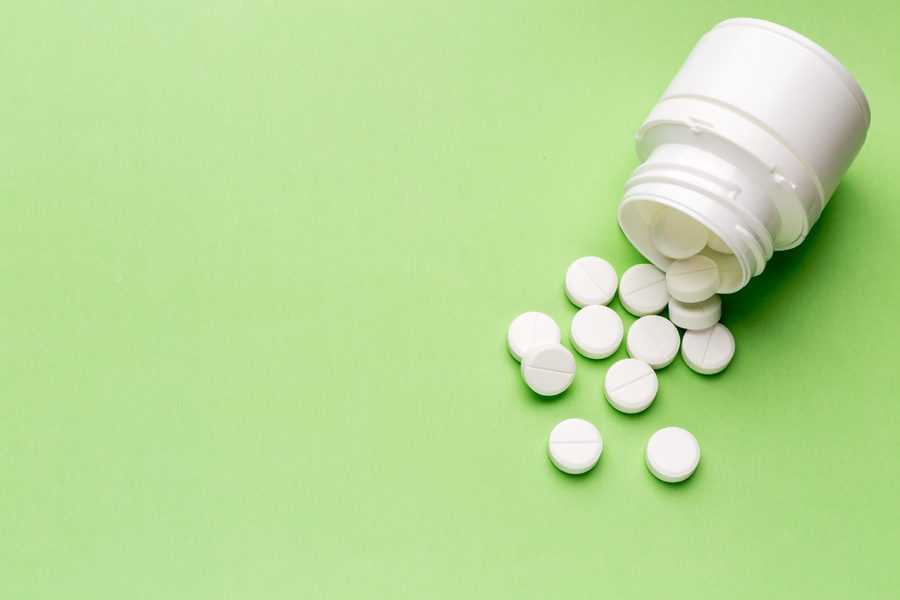
**The Hidden Foundation of Oral Wegovy Tablets: An Investigative Study**
Within the vibrant ecosystem of pharmaceutical development, Wegovy tablets have garnered attention for their success in weight control, largely attributable to semaglutide, a compound famed for its capacity to suppress appetite by imitating gut hormones. However, another lesser-known yet critical player operates behind the curtain: salcaprozate sodium (SNAC). This ingredient guarantees that semaglutide endures the stomach’s hostile acidic conditions and effectively enters the bloodstream.
SNAC, which holds FDA approval and a status of “generally regarded as safe,” has consistently played a low-key role in medication formulations. Nevertheless, researchers from the University of South Australia have initiated a groundbreaking investigation into the effects of prolonged SNAC exposure on the gut environment over several weeks. While their results do not indicate immediate damage, they provoke significant inquiries regarding SNAC’s wider effects on gut health.
The research, spearheaded by Amin Ariaee, included daily administrations of SNAC, semaglutide, and their combination to rats. The analysis looked beyond basic gut health indicators to examine the microbiota, liver, and bloodstream for signs of inflammation. The goal was to replicate human therapeutic exposure to these substances.
A major concern revolved around the gut microbiota’s composition. Although SNAC did not diminish the diversity of microbial species—a common measure of gut health—it considerably shifted the balance of the microbial community. Families such as Muribaculaceae and Bacteroidaceae, essential for fermenting dietary fibers and generating short-chain fatty acids like butyrate, were significantly diminished. Butyrate is vital for preserving the integrity of the colon lining, and its reduction could result in compromised gut barriers, increased liver weight, and decreased caecum mass, which were evidenced in rats treated with SNAC.
Moreover, systemic inflammation markers showed an elevation of TNF-alpha in the SNAC group. The combination of semaglutide and SNAC suggested increased inflammatory responses and an unforeseen effect on brain-derived neurotrophic factor, hinting at possible cognitive consequences.
The influence of SNAC extends beyond medication absorption; it affects the highly populated regions of the intestine, indicating a role that surpasses current design goals. However, the limitations of the study—such as a limited sample size, brief duration, and lack of human trials—hinder definitive conclusions regarding SNAC’s safety for human use.
As obesity rates continue to rise, particularly in the United States where almost half the adult population is impacted, the FDA-approved oral Wegovy tablets offer a practical solution expected to broaden the GLP-1 therapy market. Yet, since these treatments are meant for extended daily use, researchers underscore the necessity for further examination of all components within these therapies, not merely the active ingredients.
The appeal for prolonged studies resonates, advocating for a comprehensive exploration of SNAC’s long-term effects. Investigating microbiome-centric drug delivery systems, which aim to administer oral peptides without disturbing fragile gut ecosystems, reflects a proactive approach to addressing possible concerns highlighted by current investigations. The ongoing challenge for researchers and formulators is to ensure that while SNAC fulfills its crucial role, it does not inadvertently introduce adverse biological effects.
Study link: [Read the full study](https://pdf.sciencedirectassets.com/271103/1-s2.0-S0168365926X20016/1-s2.0-S0168365926001136/main.pdf)