On a petite isle located in the heart of the Panama Canal, a distinctive scientific heritage continues to flourish. It all started in 1982 when Jacalyn Giacalone and Gregory Willis initiated a significant endeavor to catalog the mammal population on Barro Colorado Island, a research station overseen by the Smithsonian Tropical Research Institute. Annually, they traversed 100 kilometers of designated paths, diligently noting their observations. Over the years, this stringent method created a valuable repository that uncovers the island’s mammalian variety.
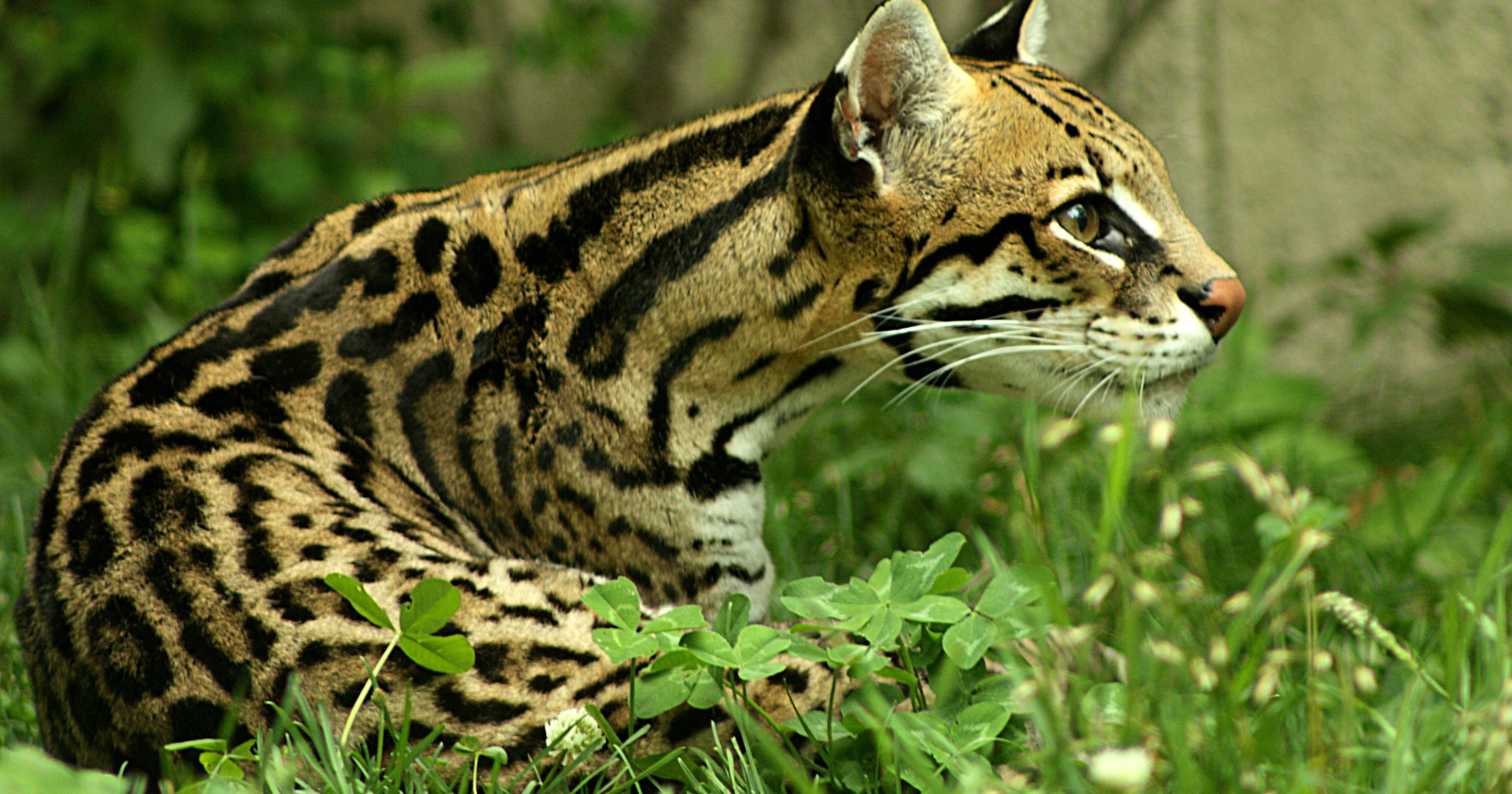
In 1994, acknowledging the limitations of observing during the day, Willis implemented an innovative system of camera traps to document nocturnal and hard-to-spot species such as ocelots. This breakthrough transformed their research, allowing scientists to recognize individual animals and track family trees across generations.
As the initiative aims for a centenary objective in 2082, a transition of leadership is underway. Claudio Monteza, a committed researcher who partnered with the founding team, is ready to continue the legacy. By inheriting years of expertise, Monteza embodies the project’s future, guaranteeing that the count persists beyond individual lifetimes.
Every sighting contributes to the larger puzzle. Meticulous planning, foresighted succession, and unwavering dedication are essential for surpassing personal careers and realizing a long-lasting scientific project. Thus, Barro Colorado’s mammal census is more than an inquiry—it’s a narrative spanning a century, unveiling the island’s wilderness for future generations.