A Rockhounding Journey Evolves into a Paleontological Revelation
During a rockhounding excursion in the autumn with his grandparents, 11-year-old Touren Pope from Nevada uncovered an extraordinary find on public lands in southwest Wyoming. While navigating the badlands, he spotted an unusual fragment of shell extending from an outcrop. This discovery led to the excavation of an almost intact upper shell of an ancient soft-shelled turtle, estimated to be approximately 48 million years old. Touren fittingly named his discovery “Little Timmy.”
The Bureau of Land Management (BLM), which governs the land where the find occurred, described the event in a blog entry. The fossil was located on BLM-managed territory in the Greater Green River Basin, under the purview of the Rock Springs Field Office. This location, recognized for its Bridger Formation, serves as a goldmine for paleontologists examining Eocene-era sediments and fossils.
The Find
Touren was exploring with his grandparents, Patti and Tom Patterson, when he came across a small piece of shell emerging from the eroding terrain. Rather than attempting to extract the fossil himself, Touren followed federal guidelines by notifying the BLM. This choice guaranteed that the specimen would be professionally excavated and preserved.
The BLM’s Rock Springs Field Office was notified, and agency personnel arrived at the site with Touren and his grandparents. JP Cavigelli, from the Tate Geological Museum at Casper College, was called in as the designated paleontologist to retrieve the specimen.
The Retrieval
In September 2025, Cavigelli, along with volunteers Steve Felto and Judith Johnston, carried out the excavation with Touren lending a hand. The team utilized plaster-soaked burlap strips to reinforce the fragile fossil for transport, completing the task efficiently. Touren’s participation in the excavation was acknowledged as a vital contribution to the find.
What Lies Below
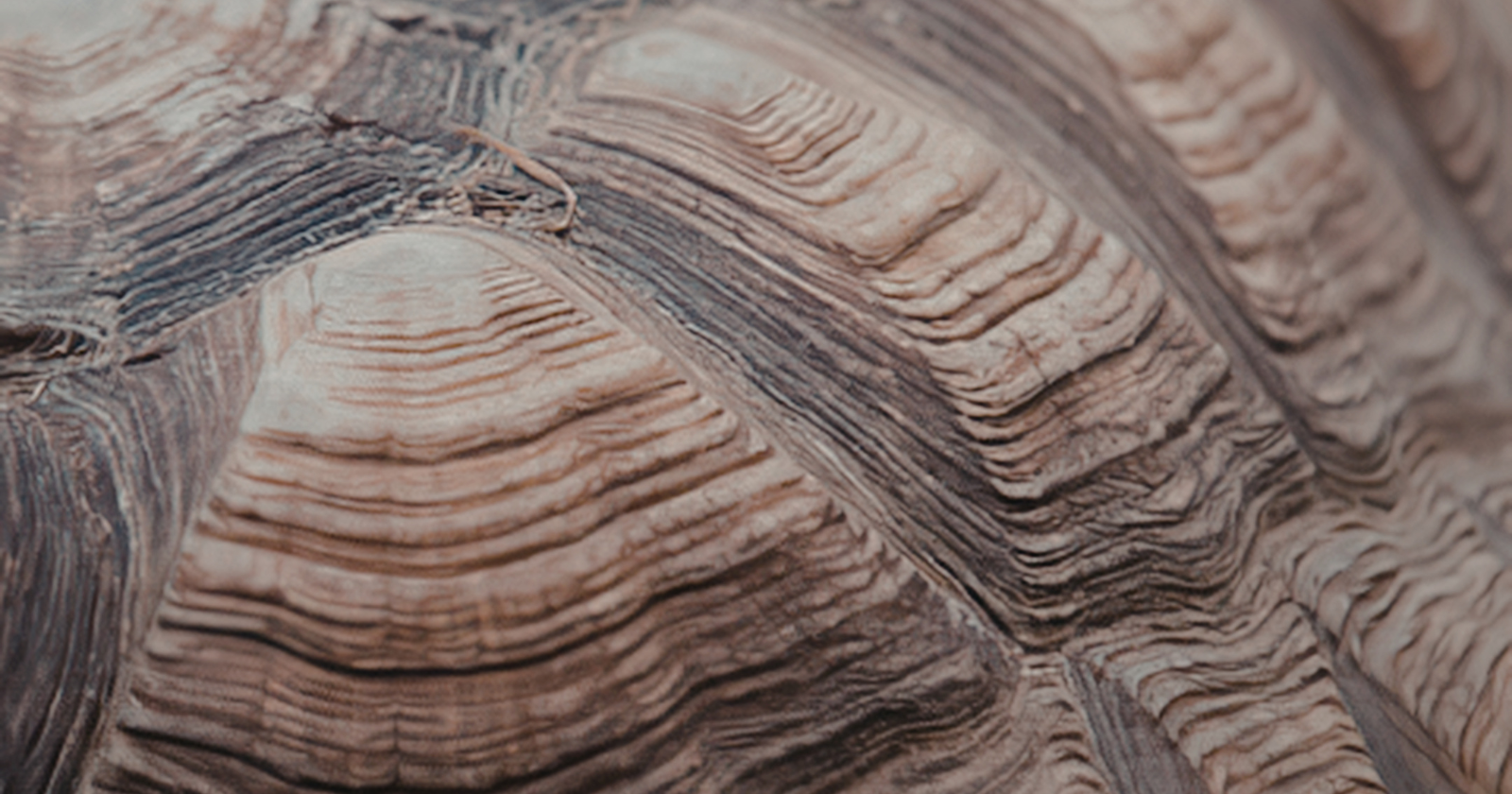
Upon analysis, the fossil was recognized as the carapace of a soft-shelled turtle, part of the trionychid family. The shell was determined to be well-preserved, suggesting it was relatively newly unearthed. Softshell turtles, known for their pliable shells, were prevalent in the rivers of ancient Wyoming.
Although the fossil is exceptionally preserved, it has not yet been labeled to a specific species, awaiting further examination. The Bridger Formation is famous for its well-preserved fossils from a warm, nearly tropical floodplain ecosystem that existed millions of years ago.
Looking Ahead
Since the fossil was found on BLM land, it remains public property. It was relocated to the Tate Geological Museum for cleaning and analysis. Plans are underway to showcase “Little Timmy” alongside other specimens, providing the public a glimpse into the prehistoric era.
Touren Pope’s choice to report his discovery emphasizes the importance of fossil stewardship, as vertebrate fossils on federal lands are safeguarded by law. His actions facilitated the appropriate management and preservation of the specimen, serving as a model for responsible fossil findings and offering valuable glimpses into the lives of ancient beings.