**Singapore’s Innovative Answer to Land Shortage: The Semakau Landfill**
Singapore, a lively city-state with more than six million residents crammed into a space smaller than New York City, confronts a critical problem that many nations may ignore: a lack of land. With no room available for waste disposal on the main island, Singapore has adopted a groundbreaking strategy by establishing its landfill offshore, turning it into both an environmental and engineering triumph.
**An Offshore Landfill**
Located eight kilometers away from Singapore’s shoreline, the Semakau Landfill is the world’s first offshore landfill developed from ocean territory. It signifies a remarkable milestone in waste management, serving also as a nature reserve where individuals can partake in guided intertidal excursions alongside colorful coral habitats, and where nature lovers gather for birdwatching or stargazing activities.
**Transforming Ash into a Reserve**
The process of moving waste to Semakau begins with incineration. This essential operation takes place at waste-to-energy facilities, turning nearly all solid refuse into electricity and diminishing its volume by around 90%. What remains is ash and some non-combustible materials, amounting to several thousand tonnes each day. These leftovers are transported nightly by barges to Semakau, where they are placed into specially designed cells and sealed. The clever choice to burn waste first and limit raw waste transportation makes the offshore landfill a feasible solution, containing only the mineral-rich byproducts.
The development and upkeep of the landfill require outstanding engineering. Surrounding 350 hectares of sea between two islands with a protective rock bund, engineers have equipped it with a non-permeable membrane and marine clay to trap leachate, stopping contaminants from seeping into nearby waters.
**Fostering Biodiversity**
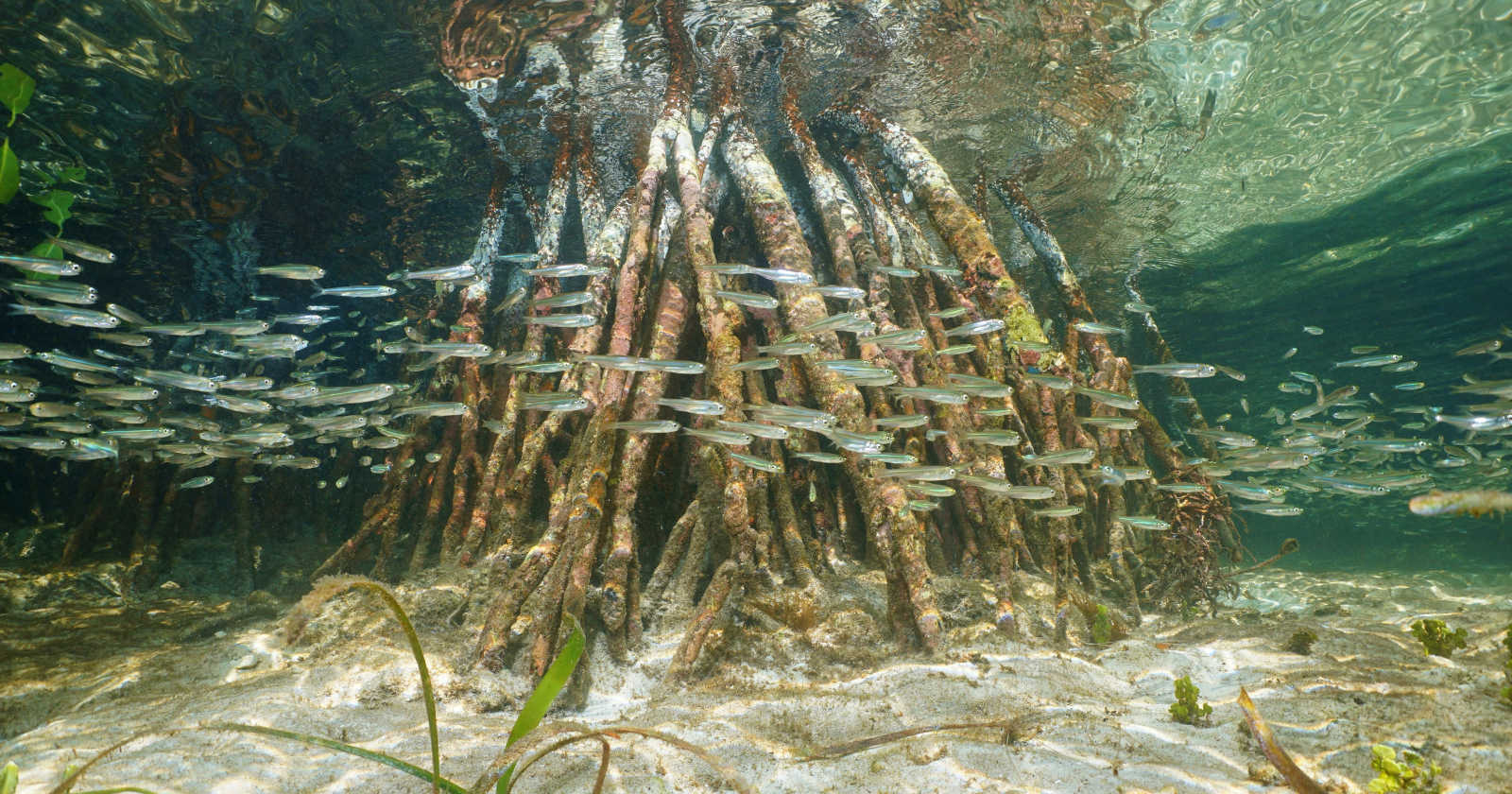
At first, the landfill’s construction had ecological drawbacks, harming mangrove regions. However, Singapore’s forward-thinking approach involved ecological specialists restoring the area by replanting mangroves, indicating a successful ecosystem recovery and containment efficiency. The adjacent ecosystems, such as seagrass beds and coral reefs, largely resisted the construction’s effects, evolving into rich habitats supporting both land and marine organisms.
**Accessible to the Public**
In an unprecedented move, Singapore opened the operational landfill to the public for leisure activities in 2005. Visitors can enjoy intertidal walks, birdwatching, sport fishing, and stargazing under clear night skies, all set against the functional waste disposal site.
**Final Thoughts: A Motivating Model**
While Semakau should not be viewed as an ideal solution—given its limited capacity and environmental implications of incineration—it represents a significant shift from traditional landfill concepts. By linking waste disposal with the monitoring of ecosystem health, Singapore utilizes the surrounding natural environment as a gauge of landfill effectiveness. The nation’s strategy emphasizes a dedication to responsible innovation, converting waste management into a thoughtful practice where the preservation of natural habitats remains a priority, even as they incorporate space once viewed as unlivable.
The Semakau Landfill embodies ingenuity and sustainability, inviting us to reflect on a seemingly contradictory reality where national waste resides within a thriving nature reserve open to all.