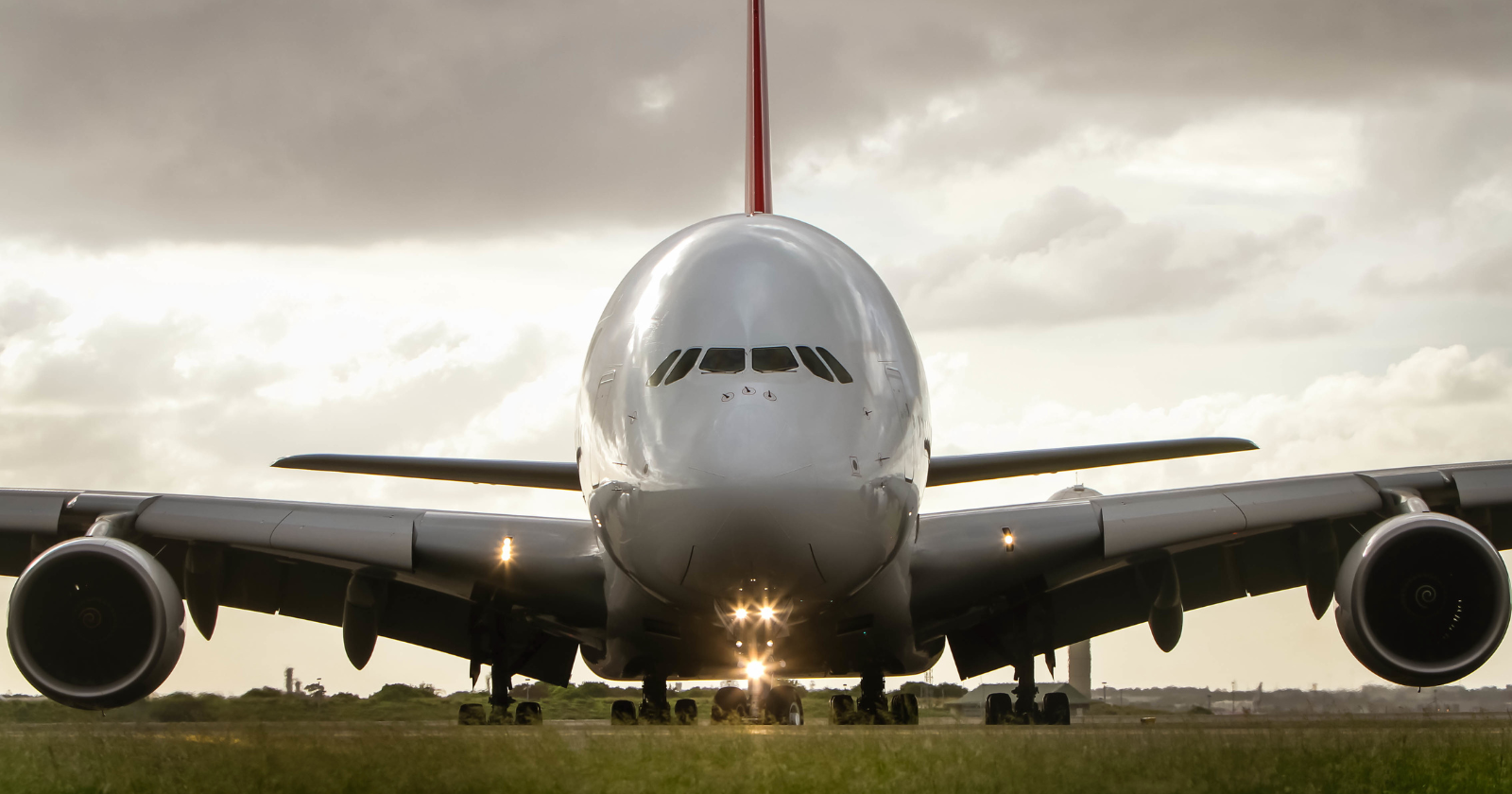
The Airbus A380 was conceived as an innovative aircraft meant to rule the skies for many years. As the largest passenger airplane ever constructed, it featured remarkable measurements: double-decked, four engines, 73 meters in length, and capable of holding over 500 passengers. Nevertheless, the truth about the A380 proved to be quite contrasting. Rather than achieving its forecasted operational lifespan, the first A380s were dismantled after merely a decade of service.
In Tarbes, nestled in the French Pyrenees, Tarmac Aerosave commenced the careful task of disassembling these superjumbos. Initially owned by Singapore Airlines, the aircraft were taken apart when their lessor failed to locate secondary buyers, concluding that their parts were more valuable than the planes themselves. The teardown process is an exceptional display of efficiency, converting a complex 250-ton machine into neatly organized reusable components and recyclable metals, while leaving minimal waste behind.
The economic dynamics that contributed to the A380’s decline simultaneously underscore the profitability of its disassembly. Operating an A380 incurs substantial costs, with its four engines and expansive cabin design not aligning with current industry preferences for smaller, efficient jets. As the demand for secondhand A380s plummeted, their worth as complete aircraft drastically decreased, yet their components maintained high demand. The engines, in particular, are highly sought-after, commanding millions when sold or leased to support other A380s still operational. Each part removed during disassembly is carefully assessed, sold if serviceable, repaired, or discarded if deemed irreparable.
Following component extraction, the airframe itself undergoes a reduction process. The A380 is composed of significant aluminum, approximately 120 tons, which is stripped, sorted, and recycled into raw material for forthcoming manufacturing endeavors. Tarmac Aerosave, partially owned by Airbus, takes pride in recycling up to 92 percent of the A380 by weight — a remarkably sustainable practice considering the aircraft’s complexity.
Perhaps most notable about the A380’s narrative is its surprisingly brief lifespan. Intended for durability, these aircraft were retired only 12 years after entering service — a marked contrast to the typical 25-year expectancy of commercial jets. This premature retirement highlights a mismatch between the A380’s intended purpose and the industry’s direction, which has shifted towards more versatile and cost-effective twin-engine planes, leaving the A380 behind.
Airbus halted A380 production in 2021, but the disassembly story reveals a silver lining. The process goes beyond mere breakdown; it is about extending the life of resources. Every salvaged part from an A380 contributes to the functionality of others still flying. The recycled aluminum finds new applications, ensuring that the A380’s legacy endures beyond its time in the skies. Ultimately, the Airbus A380 not only set records as the largest passenger aircraft but also stands as a symbol of advanced recycling and ingenuity in aviation history.